Have you ever started a project and quickly realized that everyone had different ideas about the goals, responsibilities or expected outcomes? This confusion is exactly why a Project Charter is essential. It acts as the foundation of any project, giving every team member a clear and shared understanding of what needs to be achieved.
In this blog, you will explore the concept of a Project Charter, its purpose, how to create one and its key components. Additionally, a template will be provided to help you get started. Let’s begin!
What is a Project Charter?
A Project Charter is a formal, high-level document that authorizes a project and summarizes its key details. Typically developed at the start of a project, it acts as a reference for the project team.
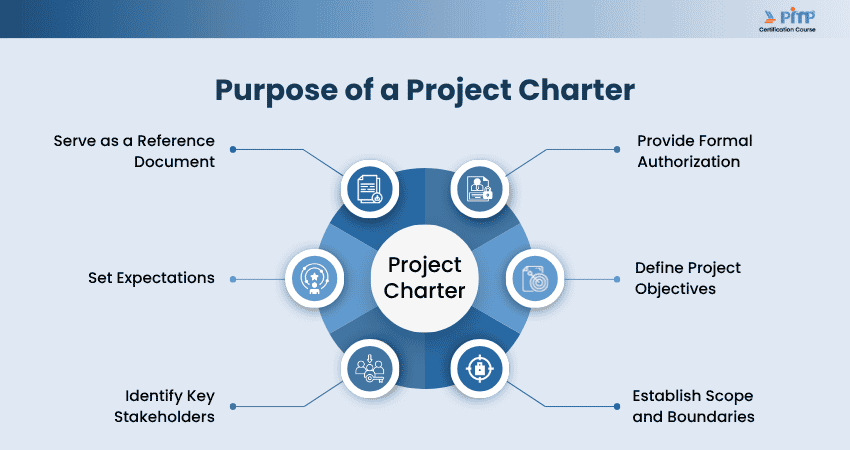
The charter outlines the project's purpose, objectives, stakeholders, budget, scope, risks, and timeline. It ensures a clear, shared understanding among all stakeholders and sets expectations for how the project will proceed.

What is the Purpose of a Project Charter?
The primary aim of a Project Charter is to formally authorize a project, define its objectives, and establish a shared understanding among stakeholders. It serves as a foundational document that sets the direction for the project and ensures alignment with business goals.
A well-defined Project Charter helps to:
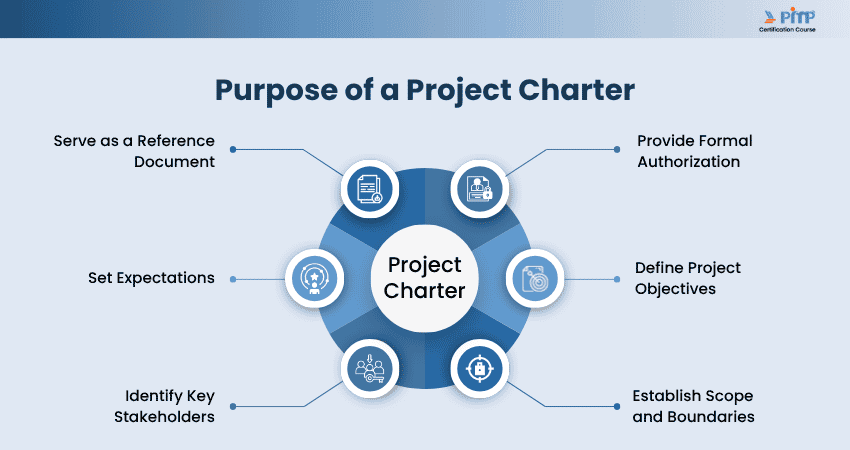
1) Provide Formal Authorization:
Officially grants approval for the project to begin and assigns authority to the Project Manager.
2) Define Project Objectives:
Clearly state what the project aims to achieve, ensuring everyone understands its purpose.
3) Establish Scope and Boundaries:
Outlines the project's scope, preventing scope creep and keeping work focused and controlled.
4) Identify Key Stakeholders:
Lists individuals and groups with a vested interest in the project’s success.
5) Set Expectations:
Defines roles, responsibilities, risks, timelines, and budget constraints.
6) Serve as a Reference Document:
Acts as a guiding document throughout the project lifecycle, helping teams stay aligned.
Components of a Project Charter
A well-written Project Charter includes several important components. Here’s an overview of all the key elements you should include in your Project Charter:
1) Overview
Refers to providing a description of the project, including its purpose, objectives, and background. It should give stakeholders a clear understanding of what the project aims to accomplish.
2) Scope
Define the project’s scope in terms of what will and won’t be included. This scope statement helps in setting boundaries. It also ensures that everyone understands what ‘is in-scope' and ‘out-of-scope' for the project.
3) Schedule
Provide a high-level timeline for the project, including key milestones and deadlines. The schedule helps stakeholders understand when the project is expected to start and finish and when important deliverables are due.
4) Risks
List all potential risks or issues that might affect the project. This can include technical challenges, constraints of resources, or even external factors. These external factors include regulatory changes. Recognizing risks upfront helps in reducing potential problems later.
5) Budget
This means outlining the estimated budget for the project, including costs for resources, equipment, labor, and other necessary expenses. Having a clear budget helps to keep the project financially on track.
6) Stakeholders
Recognize individuals or groups that have an interest in the project’s success. This could include internal team members, external clients, regulatory bodies, or community stakeholders.
Learn to create perfect strategic planners and portfolios with our
Portfolio Management Professional (PfMP)® Certification
– Join now!
How to Write a Project Charter?
Creating a Project Charter requires careful planning and attention to detail. Here’s a step-by-step guide to writing one.
Step 1: Define Goals and Objectives
Define the project’s goals and objectives. What does the project aim to achieve, and what are the desired outcomes? Ensure the goals are Specific, Measurable, Achievable, Relevant, and Time-bound (SMART).
Step 2: Identify Key Stakeholders
List all key stakeholders involved in the project, including team members, clients, sponsors, and other important individuals. Understanding their interests, roles, and responsibilities ensures everyone is aligned with the project’s goals.
Step 3: Outline the Implementation Plan
Create a high-level plan for how the project will be executed. This includes the major phases, milestones, and deliverables. Ensure that the plan reflects the project’s scope and goals while providing a clear timeline for completion.
Step 4: Highlight Risks and Constraints
Identify potential risks and constraints that might impact the project. Consider factors such as budget limitations, resource availability, or external influences that could affect the project's timeline and success. Document these in the Project Charter to ensure they are acknowledged upfront.
Tips for Writing a Strong Project Charter
A strong Project Charter sets the tone for the project. It guides the team, clarifies expectations, and ensures everyone is aligned with the purpose. Here are practical tips to help you create an effective charter.
1) Don’t Forget the Project Title
The project title is the first point of reference for the team and stakeholders. A clear title provides clarity over what the project is about and acts as an anchor for the project. This establishes project identity, making it easy to recognize, remember, and track.
2) Discuss the What and the How
A strong Project Charter explains the aims of the project and the ways those aims will be achieved. It clearly describes the project, outlines the expected results, and defines the outcomes to be delivered. Then, an outline is created for how the team will get there. This gives teams confidence and direction as they begin the project.
3) Leverage the Resources Around You
This means utilizing tools, documents, and knowledge that are available. Reviewing past Project Charters can reveal best practices, helpful structures, and common expectations. These resources provide context and help shape a stronger, more informed charter.
4) Step Back and Reflect
Once the draft is ready, take time to reflect on it. A Project Charter is a crucial document, and small details can make a significant difference. By reviewing the draft carefully, you can identify unclear sections, remove unnecessary information, and ensure the final version is accurate and polished.
Project Charter vs Project Plan
A Project Charter and a Project Plan serve different but complementary purposes in Project Management. Understanding the distinction between them is crucial for effective project execution. Below is a detailed explanation:

1) Type Project Charter:
a) A high-level, strategic document that formally initiates a project.
b) It provides an overarching vision and authorisation for the project to begin.
c) It does not go into granular details but establishes the project’s purpose and direction.
Project Plan:
a) A detailed, tactical document that focuses on execution.
b) It provides specific instructions on how to achieve project objectives.
c) It includes in-depth details such as task breakdown, resource allocation, risk management, and performance tracking.
2) Purpose Project Charter:
a) Its primary purpose is to authorise the project officially and grant authority to the Project Manager.
b) It serves as a contract between stakeholders, sponsors, and the project team.
c) Defines the "what" and "why" of the project but not the "how."
Project Plan:
a) Outlines how the project will be executed, monitored, and closed.
b) Defines project activities, dependencies, timelines, and resources needed to complete the project successfully.
c) Provides a roadmap for Project Management and execution.
3) Timing Project Charter:
a) Created at the beginning of the project during the initiation phase.
b) It is approved by key stakeholders before any detailed planning begins.
c) Establishes a baseline for the project before work starts.
Project Plan:
a) Developed after the Project Charter is approved and once the project moves into the planning phase.
b) Builds on the information from the charter and expands it into a detailed action plan.
c) Ensures that execution is aligned with business objectives and constraints.
4) Content Project Charter Includes:
a) Project purpose and objectives
b) Scope statement (what’s in-scope and out-of-scope)
c) Key stakeholders and their roles
d) High-level risks and constraints
e) Budget overview (rough estimates)
f) Project timeline (broad milestones)
Project Plan Includes:
a) Detailed schedule with specific tasks, dependencies, and deadlines
b) Resource allocation (who will do what and when)
c) Project deliverables and quality expectations
d) Risk management plan with mitigation strategies
e) Communication and reporting plan for stakeholders
f) Cost estimation and budget breakdown
5) Summary: Foundation vs. Execution Guide Project Charter:
a) Provides a map for the project by setting a vision and establishing project boundaries.
b) Acts as an agreement document that aligns stakeholders before detailed planning.
c) Does not change once approved unless a major project adjustment is required.
Project Plan:
a) Breaks down the high-level vision from the charter into detailed, actionable steps.
b) It is a dynamic document that evolves throughout the project lifecycle.
c) Helps teams track progress, manage risks, and adjust as needed to ensure project success
Elevate your stakeholder engagement strategies with
Program Management Professional (PgMP)® Certification
– Register now!
Project Charter Template
Below is the Project Charter Template you can use to structure and document your project effectively:

Conclusion
A strong project begins with a clear guiding document, known as a Project Charter. It brings clarity, aligns everyone, and sets a confident path forward. Creating this document ensures the team understands the scope, goals, timelines, and risks. By leveraging the provided practical tips and using the template, you can build an effective charter that will position your project for success.
Build strong leadership skills with
Project Management Institute (PMI)® Certification
today!


 Back
Back

 Topics

 Courses


 10 Aug 2026

 David Walter