Have you ever noticed how much work becomes easier and more enjoyable when people come together to support each other? It all begins by understanding What is Teamwork. Irrespective of the industry, role, or project, success often depends on how effectively individuals work together as a unit.
From completing tasks to delivering desirable results, Teamwork can turn challenges into achievements and goals into reality. In this blog, you will learn about What is Teamwork, why it matters, its characteristics, benefits, and much more. So, if you are ready to help teams grow and support each other, keep reading ahead!
What is Teamwork?
Teamwork is when a group of people come together to work towards a shared goal by combining their skills, ideas, and efforts. It is a key ability that helps each individual member contribute effectively and support one another. Understanding What is Teamwork is considered valuable in the workplace, helping organizations stand out from the competition.
For example, in a classroom group project, one student researchs, another prepares visuals, and another presents the findings. This helps complete work faster, improves quality, and allows everyone to use their strengths, while also creating a sense of achievement and motivation.
![]()
Why is Teamwork Important?
Teamwork is important for many reasons. These include:
1) Bringing Innovation
When diverse levels of people are added to the team, they bring fresh perspectives and ideas. These ideas help the organization develop innovation in its approach. With unique viewpoints, teams can find more creative solutions.
2) Align Goals
Team leaders can effectively guide their team towards achieving a specific goal set by the organization. This ensures that every effort is counted, and all results matter in the long run. Clear alignment enables teams to remain focused and motivated with a shared purpose.
3) Higher Job Satisfaction
Every team member feels valued and involved in the process during collaborative efforts. This results in happier employees, lower turnover, and a more cohesive company culture. When people work in a supportive team, they feel more committed to their roles.
Characteristics of Effective Teamwork
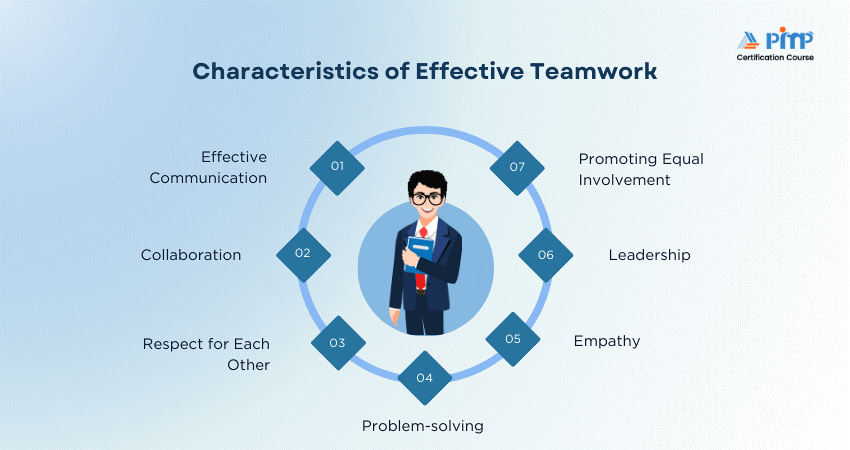
For teamwork to be effective, it should possess specific characteristics that help the team align its performance toward a common goal. Here are the key attributes for understanding What is Teamwork deeper.
1) Effective Communication
Effective communication is the most crucial facet of any teamwork. Without adequate communication, confusion, chaos, and misunderstanding can arise, further affecting a team’s efficiency. Consequently, each team member needs to interact in a clear manner and communicate their feelings effectively with each other.
2) Collaboration
Collaboration forms the nucleus of teamwork. With stronger collaboration, the team effectively leverages each other's strengths and weaknesses to attain a common goal. This further empowers better idea-sharing, open dialogues, and collaborative problem-solving. As a result, productivity increases and tasks become simpler to manage.
3) Respect for Each Other
Every team member comes from diverse backgrounds and possesses distinctive traits and attributes. They also carry their own sets of norms and values. By respecting these traits, the team provides an ideal environment to thrive and utilize their unique skills to benefit the team.
4) Problem-solving
When multiple people collaborate, disagreements and challenges can occur. It is essential to identify issues early, evaluate different viewpoints, and select solutions that benefit the team as a whole. This strengthens decision-making and promotes long-term teamwork.
5) Empathy
Empathy helps team members understand each other’s pressures, emotions, and concerns. When empathy is shown, the team builds stronger relationships, improves morale, and creates a supportive environment, especially during deadlines or stressful situations.
6) Leadership
Strong leadership inspires teamwork and accountability. An effective leader guides the team, provides direction, and motivates members toward shared success. This builds confidence and encourages continuous improvement.
7) Promoting Equal Environment
Teams that treat every member fairly are more likely to succeed. An equal environment eliminates discrimination, discourages conflict, and ensures everyone feels included and valued. Constructive feedback and positive conflict resolution help maintain harmony and focus.
Master Portfolio Management now - join
Portfolio Management Professional (PfMP)® Certification
and transform your leadership skills!
What are the Benefits of Teamwork?
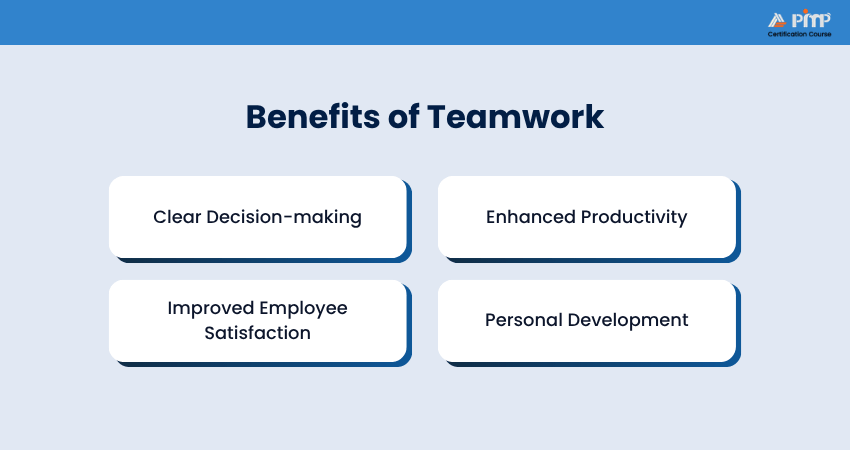
Teamwork comes with various benefits that go beyond collaboration. Here are the benefits listed:
![]()
![]()
1) Clear Decision-making
By bringing multiple people to the problem, multiple ideas will be shared, mutual discussions will be held, and the efficiency of solving the problem will be increased. This mutual collaboration brings unique perspectives to the challenges, further reducing the problem-solving time and causing better overall team efficiency.
2) Enhanced Productivity
When multiple people collaborate, better ideas will be shared, which further affects the overall productivity rate of the team. This makes the goals more manageable and easier to achieve, further accelerating completion timelines. With everyone contributing to the workload, tasks are completed faster and with greater accuracy.
3) Improved Employee Satisfaction
When employees see meaningful results from their efforts, they feel valued. This increases motivation, reduces turnover, and encourages long-term commitment, ultimately improving team and organizational performance.
4) Personal Development
Working in teams exposes individuals to new experiences, helping them build additional skills, gain confidence, and learn from peers. Learning from leaders and teammates improves abilities that may not develop when working alone.
What are the Common Challenges to Teamwork?
Teamwork often comes with numerous challenges. If these issues are not addressed early, they can affect productivity, collaboration, and overall team morale. Here are some common challenges in teamwork:
1) Lack of Trust
A lack of trust leads to an inability to work together. When employees have trust, they can easily share ideas without fear, resulting in a deeper connection and mutual support. Therefore, focusing on team activities, transparency, and consistent communication helps build trust effectively.
2) Conflicts
Conflicts are natural in any team, but not resolving them early can affect team relationships. Establishing a clear conflict-resolution process, encouraging listening, and identifying shared objectives help teams settle disagreements constructively.
3) Ambiguous Objectives
Unclear goals can lead to team confusion and misalignment. You must utilize the SMART (Specific, Measurable, Achievable, Relevant, Time-Bound) framework to provide directions and monitor your progress towards the goal. Moreover, it empowers everyone to stay aligned and focused.
4) Poor Communication Alignment
Miscommunication arises when information is scattered or inconsistent. Using a central communication platform, sharing updates clearly, and maintaining structured meeting notes improve understanding and reduce confusion.
Mitigate workplace risks like a PRO- Register for our
PMI-RMP® Certification
today!
Strategies for Encouraging Effective Teamwork
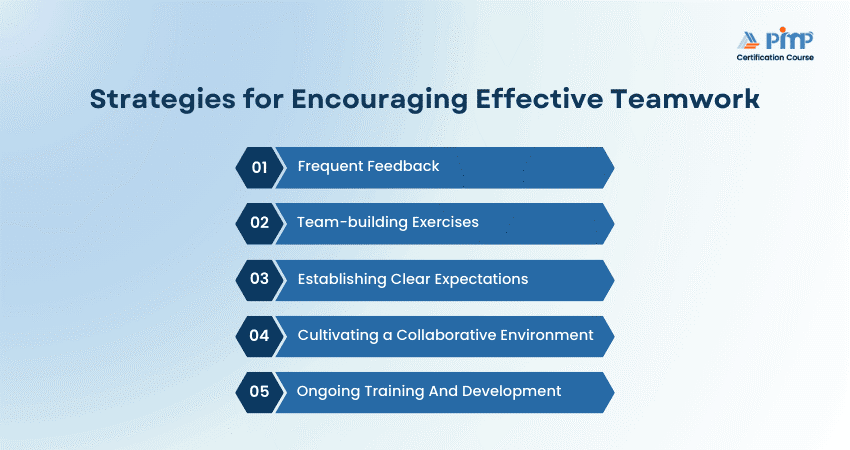
Encouraging effective teamwork can serve as a foundation for individuals to excel in their roles. Here are some key strategies you can incorporate to develop effective teamwork:
1) Frequent Feedback
Feedback is important for team members to track their progress and understand their flaws and strengths in performing specific tasks. It also helps in mitigating issues that may impact teamwork, like frequent conflicts, lack of initiative, and poor communication. Thus, every team leader should regularly provide feedback to the team to foster a cohesive work culture.
2) Team-building Exercises
Team-building practices help members build rapport, trust, and stronger alignment towards shared goals. Conducting engaging activities occasionally allows individuals to connect informally and reduces workplace stress.
3) Establishing Clear Expectations
Every member should understand their role and expectations. Clear objectives help guide actions, ensure accountability, and make teamwork more organized and outcome-focused.
4) Cultivating a Collaborative Environment
A collaborative environment allows individuals to share ideas confidently and solve problems faster. This encourages creativity, improves decision-making, and enables everyone to contribute effectively based on their strengths.
5) Ongoing Training and Development
Continuous learning helps individuals acquire new competencies and remain motivated. Training strengthens decision-making, increases adaptability, and supports overall team contribution, improving both personal development and organizational growth.
Develop market-ready Analysis Skills with our
PMI-PBA® Certification
- Join today!
How Technology Improves Teamwork and Collaboration?
Technology is critical for the team to gain access to tools that help improve communication, enhance work efficiency, and stay connected. Here are some of the key roles technology plays in streamlining collaboration and teamwork:
![]()
1) Digital Collaboration Tools
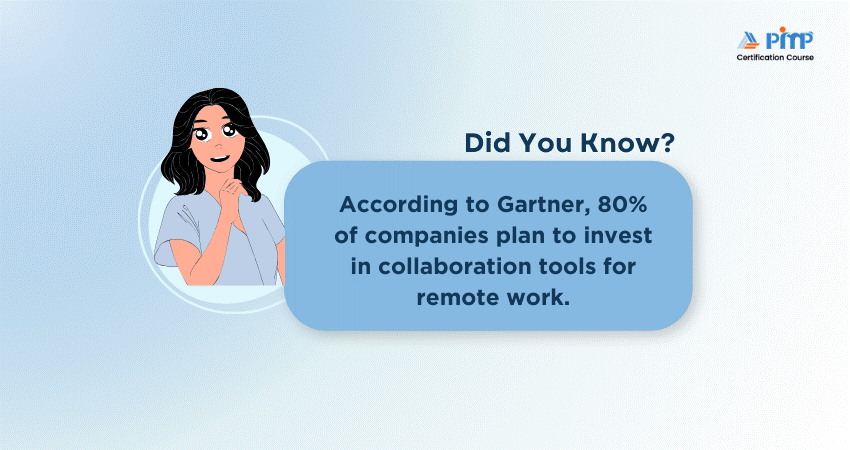
Digital collaboration tools like Project Management platforms, messaging apps, and file-sharing systems allow instant communication, easy tracking of tasks, and seamless data exchange. This helps reduce unnecessary meetings, prevent scattered information, and maintain clarity across the team.
2) Virtual Reality (VR) and Augmented Reality (AR)
VR and AR are transforming how teams interact. These technologies create immersive environments that support interactive meetings, realistic simulations, and visual demonstrations, making idea discussion stronger. They also help remote members stay engaged, especially during training or planning activities.
3) Cloud-based Solutions
Cloud technology enhances team collaboration by offering secure access to files, communication tools, and data in real time. This allows both in-office and remote workers to collaborate efficiently, make updates instantly, and prevent version conflicts when sharing documents.
Examples of Successful Teamwork
There are various examples of successful teamwork. These examples show that working as one allows for possibilities that seem impossible when working alone. Here are those key examples:
1) Sports:
Achievements like the Boston Red Sox’s 2004 comeback or Leicester City’s 2016 Premier League win show how shared strategy and coordinated effort lead to remarkable results.
2) Woodstock 1969:
Event organizers cooperated closely to manage a large crowd, turning an unexpected challenge into a peaceful and memorable gathering, proving the impact of unity.
3) Community Gardens:
Neighbors working together revitalize spaces and provide food, showing how group effort can solve community problems.
4) General Lesson:
When goals are clear and responsibilities are shared effectively, teamwork delivers results beyond what individuals could achieve alone.
Conclusion
Teamwork plays an integral role in every organization and community. It allows individuals to combine their strengths, share ideas, and support one another towards a shared goal. Understanding What is Teamwork helps to develop skills, such as communication, collaboration, and problem-solving. This enhances productivity, ignites motivation, and creates an engaging workplace culture.
Boost your leadership skills and Project Management career with
Project Management Institute (PMI)® Certification – Register today!


 Back
Back

 Topics

 Courses


 10 Aug 2026

 David Walter