Project Management conversations can sometimes sound like a completely different language filled with terms like Agile, Scrum, scope creep, milestones, and deliverables. If you have ever felt confused by these buzzwords during meetings or while handling tasks, understanding basic Project Management Terms can make everything feel far less overwhelming.
The good news is that these concepts are easier to understand than they first appear. Once you become familiar with them, managing projects, working with teams, and staying organized becomes much simpler. To help you build a stronger understanding, this blog explores essential Project Management Terms in a simple and easy-to-understand manner. Let’s dive into it!
What are Project Management Terms?
Project Management Terms are common words, concepts, and techniques used to plan, organize, manage, and complete projects successfully. These terms help teams communicate clearly, track progress, manage resources, and ensure projects meet deadlines, budgets, and business goals effectively.
Understanding specific Project Management Terms is important for Project Managers, team members, and business professionals. Concepts such as scope, deliverables, Agile, risk management, and milestones create a shared language that improves teamwork, decision-making, and overall project performance across different industries.
30+ Project Management Terms
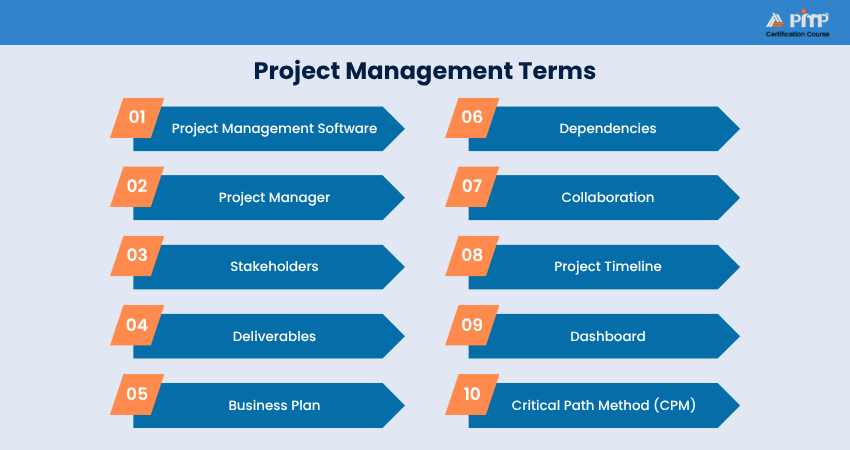
Project Management includes many important terms that help teams plan, organize, track, and complete projects effectively. Below are some commonly used Project Management Terms explained in simple language for better understanding and practical use:
1) Project Management Software
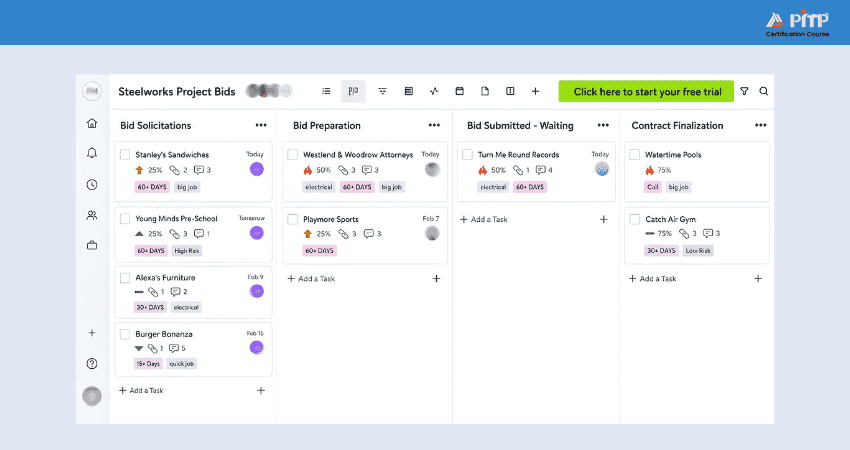
Project Management Software is a tool used to plan, organize, and track project activities. It helps teams manage tasks, deadlines, budgets, files, and communication in one central platform for better coordination and improved productivity.
Popular Project Management Software includes dashboards, scheduling tools, reporting systems, and collaboration features. These tools help Project Managers track progress, assign tasks, and ensure teams complete work on time and within budget.
2) Project Manager
A Project Manager is the person who is responsible for planning, organizing, and managing a project from beginning to completion. They coordinate teams, manage resources, monitor progress, and ensure the project achieves its goals successfully.
Project Managers also communicate with stakeholders, solve project issues, and manage risks throughout the project lifecycle. Strong leadership, communication, and decision-making skills help them guide teams and maintain project quality, timelines, and budgets effectively.
3) Stakeholders
Stakeholders are individuals, groups, or organizations affected by a project or interested in its outcomes. They can include customers, employees, suppliers, investors, managers, and government bodies involved directly or indirectly in the project.
Managing stakeholders is important because their expectations and feedback can influence project success. Effective communication helps build trust, reduce misunderstandings, and ensure stakeholders remain informed and supportive throughout the project lifecycle.
4) Deliverables
Deliverables are the products, services, or results produced during a project. In Project Management Terms, these outputs can include reports, software, designs, documents, or completed tasks that meet agreed project requirements and objectives.
Project deliverables help measure progress and confirm whether a project meets expectations. Clearly defining them early improves accountability, reduces confusion, and helps teams understand what they need to complete successfully.
5) Business Plan
A Business Plan is a document that explains business goals, strategies, budgets, and operational plans. It helps organizations define objectives, analyze markets, and plan resources before starting projects or launching new initiatives.
In Project Management, a Business Plan supports decision-making by outlining project value, expected benefits, and financial requirements. It also helps stakeholders understand how projects align with long-term organizational goals and business growth strategies.
Learn Project Management fundamentals and advance confidently with Certified Associate in Project Management (CAPM) ® Training – Join now!
6) Dependencies
Dependencies are tasks or activities that depend on the completion of other tasks before they can begin. In Project Management Terms, they help teams understand work sequences, manage schedules effectively, and reduce delays during project execution.
Managing dependencies carefully reduces delays and improves workflow coordination. Identifying dependent tasks early allows Project Managers to create realistic schedules, allocate resources properly, and avoid bottlenecks that may affect project completion timelines.
7) Collaboration
Collaboration refers to team members working together to achieve shared project goals. It involves communication, idea sharing, teamwork, and coordinated efforts across departments, teams, or stakeholders involved in the project.
Strong collaboration improves problem-solving, productivity, and decision-making within projects. Modern Project Management often uses digital collaboration tools that help remote and office-based teams communicate effectively and complete tasks more efficiently.
8) Project Timeline
A Project Timeline is a schedule that shows project tasks, deadlines, milestones, and important dates. In Project Management Terms, it provides a visual overview of project activities and helps teams understand when tasks should begin and finish.
Project Timelines help improve planning, resource allocation, and progress tracking. By following a structured timeline, teams can manage workloads effectively, reduce delays, and ensure projects stay aligned with expected completion dates.
9) Dashboard
A Dashboard is a visual tool that displays important project information, metrics, and progress updates in one place. It helps Project Managers monitor performance, budgets, timelines, and task completion efficiently.
Dashboards provide real-time insights that support faster decision-making and better project control. Using dashboards allows teams and stakeholders to identify issues quickly, track key performance indicators, and maintain visibility across project activities.
10) Critical Path Method (CPM)
Critical Path Method (CPM) is a Project Management technique used to find the longest sequence of dependent tasks in a project. In Project Management Terms, these tasks directly affect the overall project completion date and must be completed on time to avoid delays.
Using CPM helps Project Managers prioritize important tasks and reduce scheduling delays. It also improves time management by identifying activities that require close monitoring to ensure projects remain on schedule and achieve deadlines successfully.
11) Change Control
Change Control is the process used to manage modifications to project scope, timelines, budgets, or deliverables. It ensures all changes are reviewed, approved, documented, and communicated properly before implementation.
Effective Change Control reduces confusion and prevents unexpected project disruptions. By following a structured process, organizations can evaluate the impact of changes and maintain project quality, costs, and overall business objectives.
12) Earned Value Management (EVM)
Earned Value Management, or EVM, is a Project Management method used to measure project performance. It compares planned work, completed work, and project costs to evaluate progress and efficiency.
EVM helps Project Managers identify budget overruns, scheduling problems, and performance issues early. This allows teams to take corrective actions quickly and improve project control, forecasting, and decision-making throughout the project lifecycle.
13) Feasibility Study
A Feasibility Study evaluates whether a project is practical, achievable, and financially viable before work begins. It examines technical, operational, legal, and financial factors that may influence project success or failure.
Conducting a Feasibility Study helps organizations reduce risks and make informed decisions. It ensures businesses invest time, resources, and money into projects that align with organizational capabilities and long-term strategic goals.
14) Gantt Chart
A Gantt Chart is a visual project planning tool that displays project tasks, timelines, and progress using horizontal bars. It helps teams understand task durations, deadlines, and project dependencies more clearly.
Project Managers use Gantt Charts to organize schedules, monitor progress, and improve coordination. These charts simplify complex project plans and help teams identify delays, overlapping activities, and important project milestones efficiently.
Strengthen Agile Project Management knowledge through PMI-ACP® Certification Training – Register now!
15) Hybrid Methodology
Hybrid Methodology combines traditional and Agile Project Management approaches within the same project. It allows organizations to balance structured planning with flexibility, depending on project requirements and business objectives.
This approach is useful for projects requiring both predictable processes and adaptable workflows. Hybrid Methodology helps teams improve efficiency, manage uncertainty, and customize Project Management practices based on organizational needs and industry demands.
16) Agile
Agile is a flexible Project Management approach focused on collaboration, continuous improvement, and customer feedback. It divides projects into smaller phases, allowing teams to handle changing requirements and priorities effectively.
Agile encourages teamwork, transparency, and faster delivery of valuable outcomes. Organizations use Agile to improve responsiveness, reduce risks, and enhance customer satisfaction by delivering work in shorter development cycles called iterations.
17) Scrum
Scrum is an Agile framework that helps teams manage projects through short work cycles called sprints. It focuses on collaboration, regular feedback, and continuous improvement during project development activities.
Scrum teams usually include roles such as Scrum Master, Product Owner, and Developers (Development Team members). Daily meetings, sprint reviews, and planning sessions help teams stay organized, solve issues quickly, and deliver project value consistently.
18) Kanban
Kanban is a visual project workflow system used to organize and track tasks. It uses boards and cards to show project activities, work progress, and task status throughout the project lifecycle.
Kanban helps teams improve efficiency, reduce bottlenecks, and manage workloads more effectively. By limiting work in progress, teams can focus on completing tasks faster while maintaining better workflow visibility and productivity.
19) Lean Project Management
Lean Project Management focuses on reducing waste, improving efficiency, and delivering maximum value to customers. It encourages teams to eliminate unnecessary activities and optimize processes throughout the project lifecycle.
This approach helps organizations improve productivity, reduce costs, and enhance quality. Lean principles support continuous improvement and encourage teams to identify smarter ways to complete work while maintaining customer satisfaction and project performance.
20) Waterfall Model
The Waterfall Model is a traditional Project Management approach where project phases follow a fixed sequence. Each stage must be completed before the next phase begins, creating a structured project workflow.
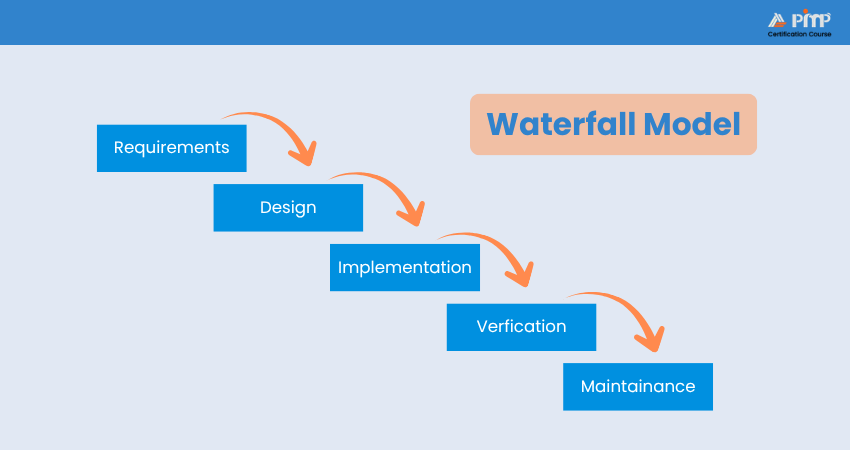
Waterfall works well for projects with clear requirements and limited changes. It provides strong documentation, predictable timelines, and organized planning, making it suitable for construction, manufacturing, and other structured industries.
Strengthen Program Leadership skills with Program Management Professional (PgMP)® Certification Training – Register today!
21) PRINCE2
PRINCE2 is a structured Project Management methodology widely used across different industries and organizations. It focuses on clear roles, defined processes, controlled project stages, and strong business justification throughout the project lifecycle.
This methodology helps organizations improve project governance, risk management, and decision-making. PRINCE2 also supports flexibility because it can be tailored to suit different project sizes, industries, and organizational requirements effectively.
22) Project Charter
A Project Charter is an official document that authorizes a project and defines its objectives, scope, stakeholders, and responsibilities. In Project Management Terms, it provides a clear foundation for effective planning, decision-making, and project execution activities.
The Project Charter helps align stakeholders and establish project expectations early. It also gives Project Managers authority to allocate resources, coordinate teams, and make decisions necessary for successful project delivery.
23) Resource Management
Resource Management involves planning, allocating, and monitoring project resources such as people, equipment, budgets, and materials. It ensures resources are used efficiently to support project goals and activities.
Effective Resource Management improves productivity and reduces project delays caused by shortages or overuse of resources. It also helps organizations balance workloads, control costs, and maintain operational efficiency across multiple projects.
24) Risk Management
Risk Management is the process of identifying, assessing, and managing potential problems that may affect project success. Risks can include financial issues, delays, technical failures, or unexpected business challenges.
Managing risks proactively helps organizations reduce uncertainty and improve project outcomes. Project Managers create risk response plans to minimize negative impacts and ensure projects continue operating smoothly despite unexpected situations.
25) Project Scope
Project Scope defines the work, deliverables, objectives, and boundaries of a project. It explains what is included within the project and what activities or outcomes are excluded from the work.
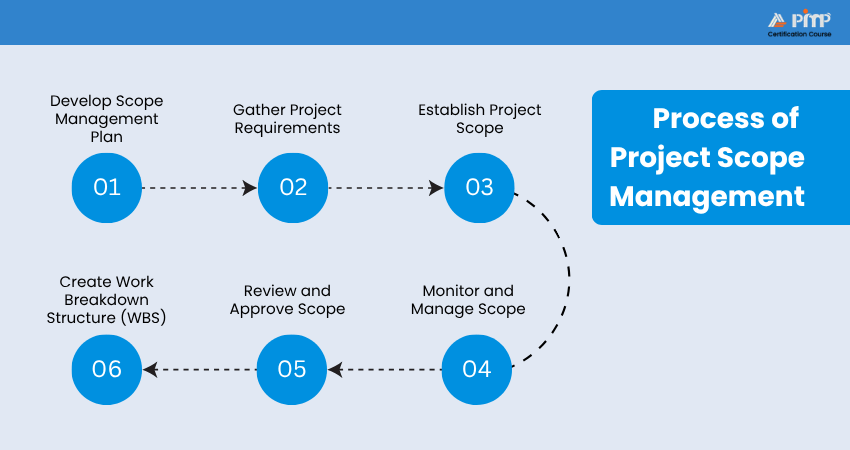
Clearly defining Project Scope helps prevent misunderstandings, confusion, and unnecessary changes during project execution. It also supports better planning, budgeting, scheduling, and communication among project teams and stakeholders.
26) Scope Creep
Scope Creep occurs when additional tasks, features, or requirements are added to a project without proper approval or planning. In Project Management Terms, it often leads to higher costs, delays, and increased pressure on project teams.
Managing Scope Creep requires strong communication, clear documentation, and effective Change Control processes. By controlling project changes carefully, organizations can maintain project quality, timelines, and resource efficiency more effectively.
Build confidence in managing requirements and driving effective business solutions with the PMI-PBA® Certification Training – Join today!
27) Program Management
Program Management involves managing multiple related projects together to achieve larger organizational goals and strategic benefits. It focuses on coordination, alignment, and overall business value rather than individual project outcomes.
Program Managers oversee project relationships, shared resources, and long-term objectives across multiple initiatives. This approach helps organizations improve efficiency, manage risks better, and achieve broader strategic improvements successfully.
28) Project Management Office (PMO)
A Project Management Office, or PMO, is a department that standardizes Project Management practices within an organization. It provides guidance, governance, tools, training, and support for project teams and managers.
PMOs help organizations improve project consistency, reporting, and performance management. They also support strategic alignment by ensuring projects follow organizational standards, business objectives, and best Project Management practices effectively.
29) Project Portfolio Management (PPM)
Project Portfolio Management, or PPM, is the process of selecting, prioritizing, and handling multiple projects within an organization. It helps businesses align projects with strategic goals and available resources.
PPM improves decision-making by evaluating project value, risks, costs, and expected benefits. Organizations use this approach to balance investments, optimize resources, and maximize overall business performance and long-term growth opportunities.
30) Project Management Professional (PMP)
Project Management Professional, or PMP, is a globally recognized certification for experienced Project Managers. It demonstrates knowledge of Project Management principles, methodologies, leadership, and best practices used across industries.
Earning a PMP certification can improve career opportunities, credibility, and professional skills. Many organizations value PMP-certified professionals because they understand structured Project Management processes and can manage projects effectively and efficiently.
31) Business Process Management (BPM)
Business Process Management, or BPM, is a method used to analyze, develop, and automate business processes. It focuses on increasing operational efficiency, productivity, and overall organizational performance through structured process management.
BPM supports Project Management by helping organizations optimize workflows and reduce inefficiencies. Businesses use BPM tools and strategies to improve customer experiences, streamline operations, and support continuous organizational improvement initiatives.
32) Statement of Work (SOW)
A Statement of Work, or SOW, is a formal document that describes project tasks, deliverables, timelines, responsibilities, and expectations. It acts as an agreement between project stakeholders, clients, and service providers.
SOW documents help reduce misunderstandings and ensure all parties understand project requirements clearly. They also support better accountability, communication, and project planning by defining work details before project execution begins.
Conclusion
Understanding projects becomes easier when you know the right concepts and processes behind them. Learning common Project Management Terms improves communication, strengthens planning skills, and helps you manage tasks more confidently. Whether you are a beginner or a professional, these terms build a strong foundation for handling projects successfully.
Develop confidence in managing projects by registering in the Project Management Institute (PMI)® Certification Courses – Register now!


 Back
Back

 Topics

 Courses


 10 Aug 2026
 Veronica Davis