Behind every successful project is a Project Team working together with a shared purpose. From launching a new product to improving business processes, projects require collaboration, clear roles and coordinated effort. Without the right team structure, even the best ideas may struggle to move forward.
This is why understanding What is a Project Team becomes essential. A well-organized Project Team brings together individuals with different skills to plan, manage, and deliver tasks effectively. In this blog, we will explain the key roles, strategies, and benefits that help Project Teams achieve successful outcomes.
Table of Contents
1) What is a Project Team?
2) Roles in a project team
3) Key Characteristics of a Successful Project Team
4) Types of Project Team Structures
5) How to Build a Project Team
6) Strategies to Optimize Project Team Performance
7) Benefits of an Effective Project Team
8) Conclusion
What is a Project Team?
A Project Team is a temporary, collaborative group of individuals formed to achieve specific project goals within a defined timeline and budget. The team often includes members with cross-functional expertise who contribute different skills to produce deliverables and complete project tasks efficiently.
Typically led by a Project Manager, the team plans, coordinates, and executes activities required for project success. Each member contributes specialized expertise to support efficient delivery of outcomes. Once the objectives are achieved and deliverables are completed, the team is usually disbanded because its role is temporary
.

Roles in a Project Team
Every Project Team includes individuals with different responsibilities that support planning and project oversight. When the roles are clearly specified, team members can understand their duties, reduce confusion and collaborate more effectively. Most Project Teams include the following key roles:
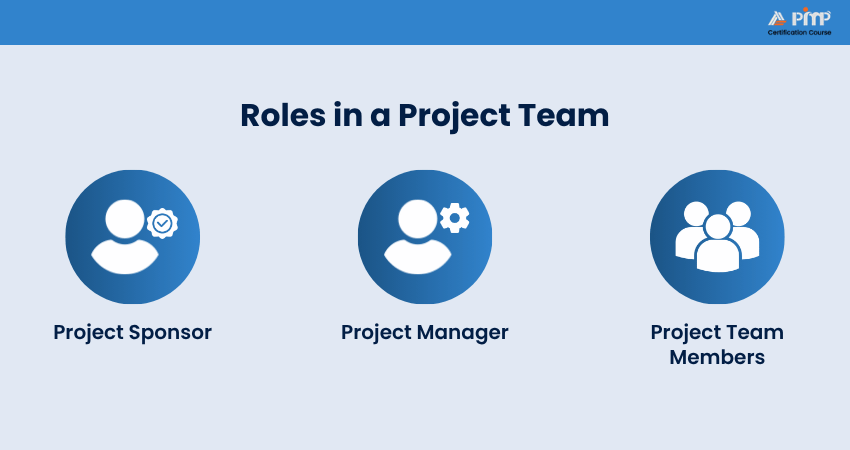
1) Project Sponsor
The Project Sponsor is a senior stakeholder who supports the project at a strategic level. This individual is often part of senior management and is responsible for ensuring that the project aligns with organizational goals. The sponsor provides guidance, secures resources, and advocates for the project within the organization.
Key Responsibilities of a Project Sponsor Include:
a) Approving the project and securing funding or resources
b) Ensuring the project aligns with the business strategy
c) Appointing and supporting the Project Manager
d) Providing guidance on high-level decisions
e) Communicating project progress to senior leadership
While the Project Manager handles daily project activities, the Project Sponsor focuses on strategic oversight and ensuring the project delivers value to the organization.
2) Project Manager
The Project Manager leads the Project Team and oversees the overall execution of the project. This role involves coordinating team activities, assigning tasks, monitoring project progress and maintaining the planned schedule. The Project Manager works as the main point of communication between team members, sponsors, and senior management.
Key Responsibilities of a Project Manager Include:
a) Developing the project plan and defining project goals
b) Allocating resources and managing project budgets
c) Defining project scope and ensuring work stays within agreed limits
d) Assigning tasks and coordinating team activities
e) Monitoring project progress and tracking performance indicators
f) Communicating updates to stakeholders and resolving conflicts within the team
By guiding the team and maintaining clear communication, the Project Manager helps ensure that the project runs smoothly from initiation to completion.
3) Project Team Members
Project Team Members are individuals who carry out the tasks required to complete the project. They are usually specialists with specific skills and expertise that contribute to the project’s deliverables. These members may come from different departments, making the team cross-functional.
Key Responsibilities of Project Team Members Include:
a) Completing assigned tasks and producing project deliverables
b) Sharing expertise and providing feedback during project activities
c) Collaborating with other team members to solve problems
d) Meeting deadlines and ensuring quality standards are maintained
For example, in a website redesign project, team members may include Designers, Developers and Content Writers who work together to create the final product.
Start your Project Management career with globally recognized
Certified Associate in Project Management (CAPM) ® Training
– Join now!
Key Characteristics of a Successful Project Team
A successful Project Team demonstrates qualities that help members collaborate effectively and achieve project objectives. These characteristics enable teams to stay organized, communicate clearly, and manage tasks efficiently throughout the project lifecycle. Some of the key characteristics that contribute to a successful Project Team include:
1) Collaboration:
Collaboration helps team members work together toward shared goals. Effective teams encourage open discussion, respect different perspectives, and support one another.
2) Cooperation:
Cooperation ensures that team members contribute their skills and expertise to the project. Working together helps keep the team aligned with project goals and timelines.
3) Creativity:
Projects often involve solving challenges and developing new ideas. Creative thinking enables team members to identify innovative solutions and improve processes when unexpected issues arise.
4) Attention to Detail:
Strong attention to detail is essential because each team member handles specific tasks that affect the project’s overall success. Accurate work helps maintain quality and reduce errors.
5) Communication:
Clear communication ensures information is shared effectively among team members. Regular updates help coordinate tasks, resolve issues quickly and ensure the team works towards common project goals.
Types of Project Team Structures
Project Team structures define how team members are organized to complete project tasks effectively. The structure used depends on the project’s size, complexity and organizational needs. Common types of Project Team structures include the following:
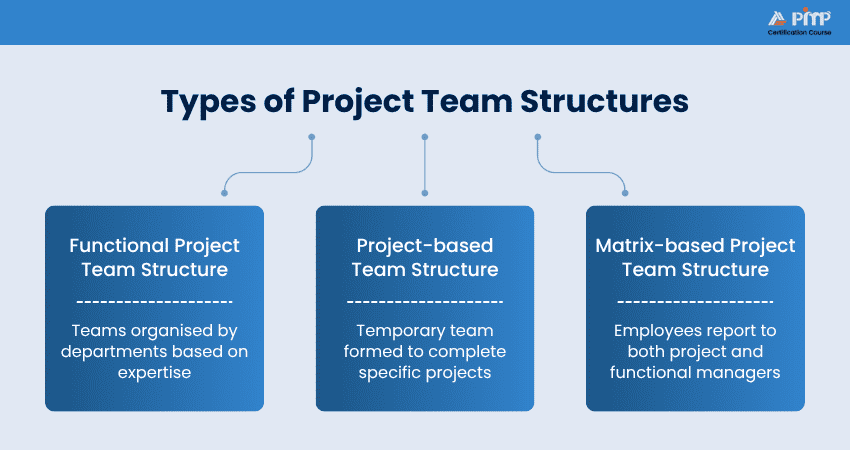
1) Functional Project Team Structure
In a functional Project Team structure, members are grouped by expertise, such as marketing, finance, or development. Each department is led by a Functional Manager who oversees the team and coordinates with leadership to keep project activities aligned with organizational goals.
Example:
A manufacturing company developing a new product assigns tasks to departments. The design team handles Product Design, marketing plans promotions and finance manages costs under their Functional Managers.
2) Project-based Team Structure
A project-based team structure brings together individuals from different departments to form a temporary team focused on a specific project. Team members work collaboratively under a Project Manager and concentrate on completing the project tasks. Once the project is finished, the team usually disbands and members return to their regular roles.
Example:
For a mobile app launch, a company forms a temporary team of Designers, Developers, Testers and Marketers who work together under a Project Manager until the app is released.
3) Matrix-based Project Team Structure
In a matrix-based Project Team structure, team members report to both a Functional Manager and a Project Manager. This structure allows organizations to share resources across multiple projects while still maintaining departmental oversight. Although it increases flexibility, it requires clear communication to manage responsibilities effectively.
Example:
A Software Developer may report to the Engineering Manager for technical guidance while also working under a Project Manager responsible for delivering a new software product.
Build strong Project Management foundations with
PMI Project Management Ready® Certification
– Join today!
How to Build a Project Team?
Building a Project Team requires selecting the right people and skills to achieve project goals. A well-structured team improves collaboration and clarifies responsibilities. The following steps explain how to build an effective Project Team:
1) Define Project Goals and Objectives
Defining the project goals and objectives clearly is the first step towards building an effective Project Team. Clear goals help team members understand what the project aims to achieve and guide their efforts throughout the project lifecycle.
Using SMART criteria helps ensure that goals are specific, measurable, achievable, relevant, and time-bound. Well-defined objectives provide direction, support better planning, and allow the team to track progress effectively during the project.
2) Set Clear Ground Rules
Setting clear ground rules helps establish expectations for team behavior and project workflow. These rules guide how team members communicate, collaborate, and manage responsibilities while working toward shared project objectives.
Ground rules may include communication methods, meeting schedules, and conflict resolution processes. Establishing these guidelines early helps create a positive team environment and ensures that everyone follows consistent standards throughout the project.
3) Decide Roles, Responsibilities, and Team Structure
Determining roles, responsibilities, and team structure is essential for organizing project tasks effectively. Every team member must clearly understand their responsibilities and how their work contributes to achieving the project objectives.
A well-defined structure helps prevent task overlap and confusion among team members. It also improves accountability, ensures efficient coordination and allows the Project Team to work together more smoothly.
4) Identify Required Skills
Identifying the required skills helps organizations select the right individuals for the Project Team. This step involves analyzing the project requirements and determining the expertise needed to complete tasks successfully.
Both technical and soft skills are important for project success. Skills such as communication, collaboration and problem-solving help team members work effectively together and address challenges during the project lifecycle.
5) Onboard the Right Team Members
Onboarding the right team members ensures that the Project Team has the expertise needed to achieve its goals. Organizations should evaluate available internal resources and identify individuals whose skills match project requirements.
If skill gaps exist, organizations may consider bringing in external specialists or consultants. Selecting team members with complementary abilities helps strengthen collaboration and improve the overall productivity of the Project Team.
Strategies to Optimize Project Team Performance
Even well-structured Project Teams need effective strategies to maintain high performance. Organizations must foster collaboration, transparency and continuous improvement. The following strategies help Project Teams work more efficiently and deliver better results:
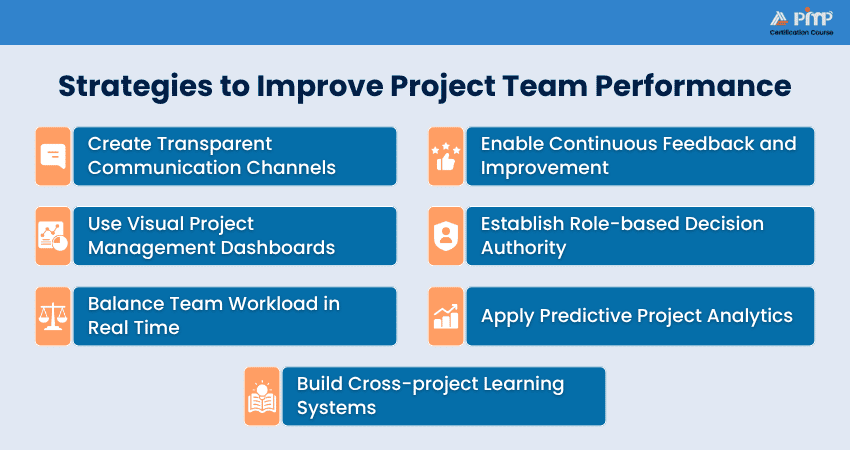
1) Create Transparent Communication Channels
Transparent communication ensures that project information is accessible to all team members in one place. When updates and discussions are connected to relevant tasks, teams can avoid confusion, reduce the time spent searching for information and maintain better alignment across project activities.
A clear communication system also improves collaboration and decision-making. Team members can easily follow project discussions, understand task context and provide timely input. This visibility helps reduce unnecessary meetings and ensures everyone stays informed about project progress and responsibilities.
2) Use Visual Project Management Dashboards
Visual Project Management dashboards display project data through charts, graphs, and visual indicators that make progress and potential risks easier to understand. These dashboards provide a clear overview of tasks, timelines, and performance metrics across the entire project lifecycle.
By using real time dashboards, Project Managers and stakeholders can swiftly identify potential issues or delays in project activities and overall progress. Visual insights help teams focus on key priorities, monitor performance trends, and maintain transparency throughout the entire project lifecycle.
3) Balance Team Workload in Real Time
Balancing team workload helps ensure that tasks are distributed fairly among team members across multiple project activities. Monitoring responsibilities across projects allows Managers to identify when individuals are overallocated or underutilized and take timely steps to maintain productivity and efficiency.
Real-time workload tracking enables Project Managers to adjust assignments and redistribute tasks when needed across different project phases. This approach prevents burnout, supports sustainable work practices, and helps teams maintain consistent progress while delivering high-quality project outcomes.
4) Enable Continuous Feedback and Improvement
Continuous feedback allows Project Teams to evaluate performance regularly instead of waiting until project completion. Frequent discussions help team members identify challenges early, share insights, and improve collaboration and overall project workflows throughout different stages of the project lifecycle.
Capturing feedback during different project phases enables organizations to refine processes and apply lessons learned more effectively. Over time, this approach improves team performance, strengthens decision-making across teams, and increases the likelihood of delivering successful project outcomes.
5) Establish Role-based Decision Authority
Role-based decision authority ensures that responsibilities and decision rights are clearly defined within the Project Team structure. When team members understand who is responsible for specific decisions, projects move forward more efficiently without unnecessary delays.
Clearly assigned decision authority allows routine issues to be resolved quickly while important decisions receive appropriate oversight from leadership. This structure improves coordination, reduces confusion, and enables Project Teams to maintain steady progress throughout the project lifecycle.
6) Apply Predictive Project Analytics
Predictive Project Analytics uses project data and performance trends to identify potential risks before they significantly impact project outcomes. Analyzing indicators such as workload patterns, requirement changes and progress trends help Project Teams anticipate challenges early. In recent research, 87% of respondents agreed that the visual dashboards provided by Predictive Analytics were more effective than traditional PDF or spreadsheet reports in Project Management.
This proactive technique allows Project Managers to adjust plans, allocate resources more effectively and prevent issues from escalating quickly. Data-driven insights improve decision-making, strengthen project planning processes, and help organizations maintain better control over project performance.
7) Build Cross-project Learning Systems
Cross-project learning systems help organizations capture valuable knowledge from ongoing and completed projects across different teams and departments. Documenting lessons learned, best practices, and project templates ensures that important insights are preserved and easily accessible for future initiatives.
Sharing this knowledge across teams allows organizations to improve planning and apply successful strategies in new projects more effectively. It also helps avoid repeated mistakes, strengthen Project Management practices, and promote continuous learning across the organization.
Build Agile expertise and lead high-performing teams with
PMI-ACP® Certification
– Register today!
Benefits of an Effective Project Team
An effective Project Team improves productivity, collaboration, and project outcomes. When members combine their skills and work toward shared goals, projects are completed efficiently with high-quality results. The following points highlight its key benefits:
1) Greater Productivity and Efficiency:
Well-organized teams manage tasks and resources more effectively. Clear responsibilities and coordinated efforts help members complete work faster and maintain steady progress throughout the project.
2) Stronger Innovation and Problem Solving:
A diverse team contributes unique skills and perspectives. This encourages creative thinking and helps teams develop effective solutions when challenges arise during the project.
3) Higher Quality Outcomes:
Specialized expertise allows team members to focus on delivering accurate and high-quality work. This helps ensure project deliverables meet organizational standards and stakeholder expectations.
4) Better Risk Management and Goal Alignment:
Effective teams identify risks early and address issues before they escalate. Continuous monitoring and communication help keep the project aligned with its objectives, schedule and budget.
5) Stronger Morale and Collaboration:
A positive team environment promotes trust, cooperation, and open communication. This improves engagement, strengthens teamwork, and creates a more productive working culture.
6) Greater Flexibility and Adaptability:
Effective Project Teams can quickly adapt to changing requirements or unexpected challenges. Their flexibility helps maintain project progress and supports successful project completion.
Conclusion
Understanding What is a Project Team is key to delivering successful projects. When the right people collaborate, communicate clearly, and use structured strategies, teams can solve problems faster, improve productivity, and achieve project goals efficiently while delivering high quality results within the planned timeline and budget.
Advance your Project Management career with globally recognized
Project Management Institute (PMI)® Certification
– Join now!


 Back
Back

 Topics

 Courses


 10 Aug 2026

 Maria Thompson