Managing projects today can feel like spinning multiple plates at once. Just when one task is under control, another challenge appears, whether it is a sudden deadline change, limited resources, or shifting priorities. This is why staying updated with key Project Management Trends is no longer optional, but essential for professionals who want to stay in control and deliver results with confidence.
From smarter AI tools to flexible hybrid work and a growing focus on sustainability, these Project Management Trends are reshaping how teams work every day. In this blog, you will explore the Trends in Project Management, understand what is changing, and learn how to stay ahead. Let’s get started!
Top 12 Trends in Project Management
Project Management is evolving as organizations respond to changing technologies, work environments, and business expectations. These current Trends in Project Management show how teams are adapting to deliver faster and smarter results. To meet these demands, Project Managers are adopting new tools, improving collaboration, and focusing on both technical and people-driven approaches.
These trends reflect how Project Management is becoming more flexible, data-driven, and strategic. Understanding these current Trends in Project Management helps organizations improve efficiency, make better decisions, and stay competitive. Let’s explore the key trends shaping modern Project Management and how they influence the way projects are planned and delivered.
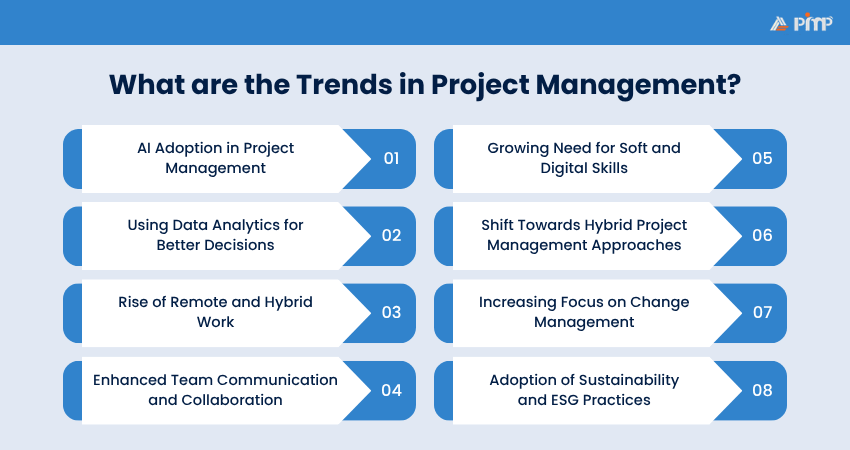
Trend 1: Increased Use of Artificial Intelligence in Project Management
Artificial Intelligence is reshaping Project Management and stands out among the Current Trends in Project Management due to its impact on efficiency, accuracy, and decision-making. It enables teams to work smarter by analyzing data, identifying patterns, and supporting proactive planning. As a result, Project Managers can focus more on strategy, leadership, and delivering high-value outcomes.
Key Areas of AI Integration Include:
1) Task Automation: AI handles repetitive tasks like scheduling meetings, sending reminders, and updating project plans.
2) Predictive Analytics and Risk Management: AI analyses large datasets to forecast risks, delays, and potential bottlenecks.
3) Decision Support: Machine learning provides data-driven insights to support better planning and scenario analysis.
4) Resource Optimization: AI matches team skills with project needs to balance workloads effectively.

Trend 2: Leveraging Data Analytics
Leveraging data analytics in Project Management means using historical and real-time data to identify patterns, predict future outcomes, and make informed decisions. Instead of relying on assumptions, organizations can use data insights to plan better, reduce risks, optimize resources, and improve overall project performance. This approach helps teams respond quickly to changes and deliver more efficient and successful outcomes.
Key Data Analytics Trends Include:
1) AI-Driven Analytics: Uses artificial intelligence to analyze complex data and support faster, more accurate decision-making.
2) Real-Time Data Processing: Enables instant analysis of data, helping teams respond quickly to issues and changes.
3) Democratization of Data: Makes data tools accessible to non-technical users, allowing more team members to generate insights.
4) Advanced Predictive Models: Uses machine learning to improve forecasting accuracy and support proactive planning.
Trend 3: Growth of Remote and Hybrid Work
Remote and hybrid work models are becoming a standard in Project Management, allowing teams to work from different locations with greater flexibility. This improves productivity and work-life balance but requires strong coordination and clear processes. Project Managers must rely on digital tools, maintain effective communication, and ensure team alignment to manage performance and deliver projects successfully.
Key Aspects of Remote and Hybrid Work Include:
1) Flexible Work Models: Employees can work remotely or combine office and home working.
2) Digital Collaboration Tools: Platforms help teams communicate and manage tasks.
3) Global Talent Access: Organizations can hire from a wider talent pool.
4) Time Zone Management: Teams must coordinate across different locations.
5) Performance Tracking: Managers rely on tools to monitor productivity and progress.
Begin your Project Management career with PMI Project Management Ready® Certification – Join now!
Trend 4: Improved Communication and Collaboration
Clear communication ensures teams understand goals, roles, and expectations, reducing errors, and improving outcomes. Modern collaboration tools enhance teamwork by enabling real-time updates and seamless information sharing.
Key Aspects of Communication and Collaboration Include:
1) Real-time Communication: Instant messaging and video calls improve interaction and enable quick decision-making.
2) Collaboration Platforms: Tools centralize tasks, files, and updates to keep teams organized and aligned.
3) Transparency: Open communication builds trust among team members and improves accountability.
4) Feedback Culture: Regular feedback improves performance, clarity, and continuous improvement.
5) Cross-team Coordination: Better communication across departments ensures smooth workflow and project alignment.
Trend 5: New Competencies: Soft and Digital Skills
Project Managers must combine people's skills with technical knowledge to manage modern projects effectively. Strong communication, leadership, and problem-solving skills help manage teams, while digital skills enable the use of modern tools, data analytics, and automation. This combination allows professionals to adapt to change, improve efficiency, and deliver projects more successfully in a technology-driven environment.
Key Competencies Include:
1) Communication Skills: Clear and effective interaction with teams, ensuring ideas are well understood.
2) Leadership: Guiding teams and making decisions to achieve project goals.
3) Digital Skills: Using tools and platforms efficiently to manage tasks and workflows.
4) Data Literacy: Understanding and using data insights for better decision-making.
5) Adaptability: Responding to change quickly and adjusting to new situations.
6) Problem-solving: Handling complex project challenges and finding practical solutions.
Trend 6: Emotional Intelligence Will Become Much More Important
Emotional intelligence helps Project Managers manage people, resolve conflicts, and build strong relationships. It enables better communication, improves team collaboration, and supports effective decision-making. By understanding team dynamics and responding with empathy, Project Managers can create a good work environment and drive better project outcomes.
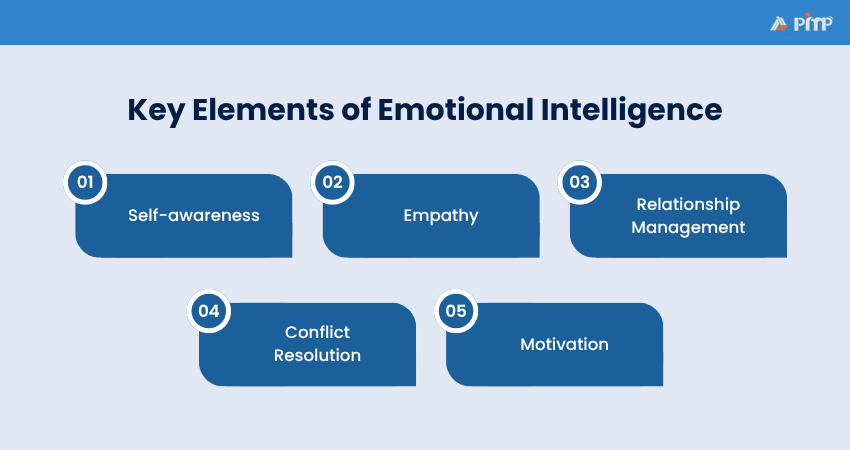
Key Elements of Emotional Intelligence Include:
1) Self-awareness: Understanding personal behavior and emotions to manage responses effectively.
2) Empathy: Recognizing and responding to team members’ needs with understanding.
3) Relationship Management: Building trust and encouraging strong teamwork.
4) Conflict Resolution: Handling disagreements calmly and finding balanced solutions.
5) Motivation: Encouraging team engagement and maintaining high performance levels.
Master program management and deliver strategic business outcomes with Program Management Professional (PgMP)® Certification – Join now!
Trend 7: The PMO – From Challenge to Standard Practice
The Project Management Office (PMO) is now seen as a value-driven function that supports better project delivery and alignment with business goals. Modern PMOs focus on flexibility, performance, and strategic impact rather than just enforcing processes. They also enable better governance, improve resource utilization, and provide data-driven insights to support informed decision-making across projects.
Key Functions of a PMO Include:
1) Standardized Processes: Ensures consistency and efficiency across all projects, reducing errors and improving quality.
2) Governance: Maintains control, compliance, and oversight of project activities, ensuring adherence to standards.
3) Performance Tracking: Monitors project success through key metrics and reports, enabling timely improvements.
4) Resource Allocation: Distributes resources effectively across projects, avoiding overuse or shortages.
5) Strategic Alignment: Ensures projects support overall business objectives and long-term organizational goals.
Trend 8: Evolution of Hybrid Project Management Approaches
Hybrid Project Management combines structured traditional methods with flexible Agile practices to meet modern project needs. This approach allows teams to adapt quickly while maintaining control over planning and execution. It is especially useful for complex projects where requirements may change over time, enabling better risk management, improved flexibility, and more efficient delivery.
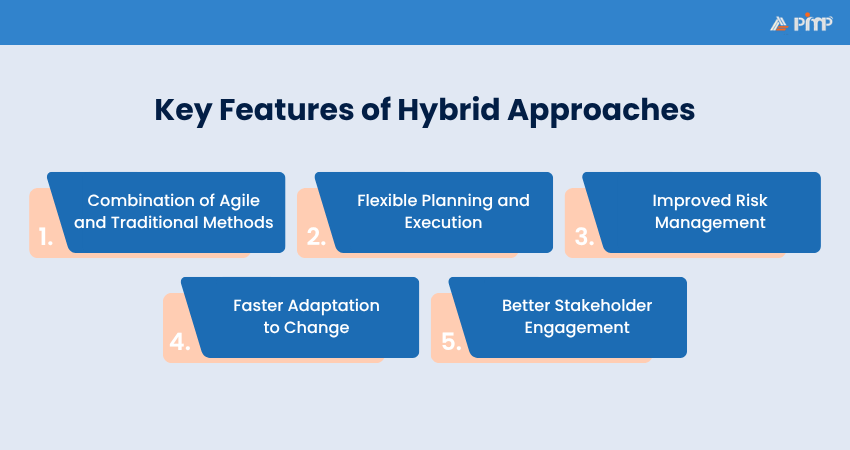
Key Features of Hybrid Approaches Include:
1) Combination of Agile and Traditional Methods: Blends structure with flexibility, ensuring better control and adaptability.
2) Flexible Planning and Execution: Adapts to changing requirements easily while maintaining project direction.
3) Improved Risk Management: Balances predictability with adaptability to minimize potential issues.
4) Faster Adaptation to Change: Responds quickly to evolving project needs and unexpected challenges.
5) Better Stakeholder Engagement: Encourages continuous feedback and involvement for improved outcomes.
Trend 9: More Focus Will be Paid to Change Management
Change management is becoming essential as organizations adopt new technologies and processes, making it one of the key Trends in Project Management. It ensures smooth transitions, reduces resistance, and helps teams adapt effectively. Project Managers must guide communication, provide support, and align stakeholders to ensure successful and lasting implementation of change.
Key Aspects of Change Management Include:
1) Clear Communication of Change Goals: Explains why change is necessary and aligns everyone with the vision.
2) Stakeholder Involvement: Engages key participants throughout the process to ensure support and collaboration.
3) Training and Support for Teams: Helps employees adapt to new systems and builds confidence in change.
4) Managing Resistance to Change: Addresses concerns early and reduces pushback effectively.
5) Ensuring Long-term Adoption: Supports sustained use of new practices and continuous improvement.
Build strong Project Management foundations with Certified Associate in Project Management (CAPM) ® Training – Join now!
Trend 10: Sustainability and ESG Practices
Sustainability and ESG practices are becoming increasingly important in Project Management, emerging as one of the key Trends in Project Management focused on responsible and ethical execution. Organizations aim to reduce environmental impact, use resources efficiently, and create long-term value. Project Managers must align projects with ESG goals to support compliance, enhance reputation, and ensure sustainable outcomes.
Key ESG Focus Areas Include:
1) Environmental Responsibility: Reduces carbon impact and waste while promoting eco-friendly practices.
2) Social Responsibility: Supports employee well-being and contributes positively to communities.
3) Ethical Governance: Promotes transparency, accountability, and responsible decision-making.
4) Sustainable Resource Use: Ensures efficient use of materials and energy to minimize waste.
5) Long-term Value Creation: Focuses on lasting business growth and environmental benefits.
Trend 11: Cyber Security Will be More Vital Than Ever
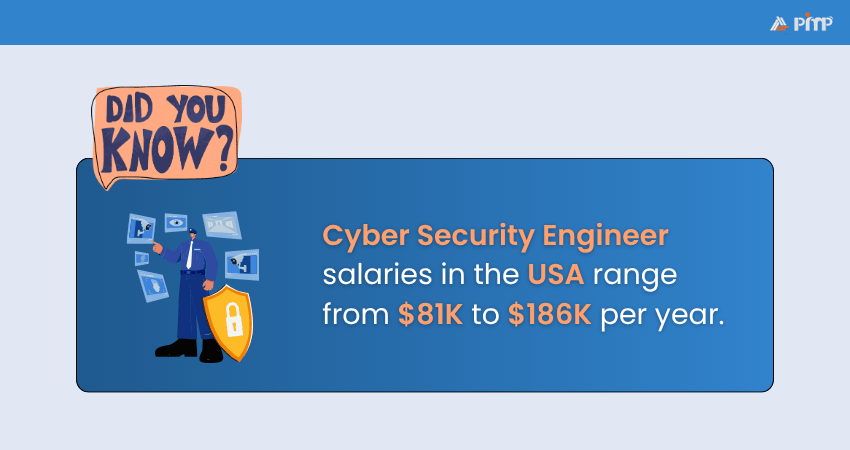
Cyber Security is becoming increasingly critical as projects rely more on digital tools and sensitive data. With rising cyber threats, organizations must protect information to avoid risks such as data breaches and financial loss. Project Managers need to ensure strong security practices, use secure systems, and stay compliant with regulations to maintain safe and reliable project delivery.
Key Cyber Security Focus Areas Include:
1) Data Protection and Privacy: Secures sensitive project information and prevents unauthorized access.
2) Threat Detection and Prevention: Identifies and reduces cyber risks before they impact projects.
3) Secure Digital Tools and Platforms: Uses safe systems to ensure reliable and protected project operations.
4) Compliance with Regulations: Follows legal and security standards to avoid penalties and risks.
5) Team Awareness and Training: Educates teams on Cyber Security practices and safe usage of tools.
6) Incident Response Planning: Prepares for and manages security breaches to minimize damage and downtime.
Build Agile expertise and stand out with PMI-ACP® Certification – Register today!
Trend 12: Ongoing Resource Constraints in Projects
Resource constraints remain a major challenge in Project Management, with limited budgets, tight deadlines, and a shortage of skilled professionals affecting delivery. As organizations manage multiple projects, allocating time, budget, and talent becomes more difficult. Project Managers must balance priorities, optimize resources, and adapt quickly to ensure efficient and high-quality outcomes.
Key Resource Management Aspects Include:
1) Efficient Resource Planning: Allocates resources carefully based on priorities and project requirements.
2) Task Prioritization: Focuses on high-impact activities to ensure timely and effective delivery.
3) Budget Management: Controls costs effectively while maintaining quality standards.
4) Workload Balancing: Distributes tasks evenly across teams to avoid burnout and delays.
5) Use of Automation to Save Time: Reduces manual effort and improves efficiency through tools.
6) Maximizing Team Productivity: Improves output by optimizing workflows and reducing inefficiencies.
Conclusion
Project Management is evolving rapidly, with key Project Management Trends such as AI, data analytics, hybrid work, and sustainability shaping modern practices. Adapting to these changes helps organizations improve efficiency, manage risks, and deliver better outcomes. By combining technology with strong human skills, Project Managers can navigate challenges effectively and ensure long-term success.
Build advanced Project Management skills with trusted Project Management Institute (PMI)® Certification – Join now!


 Back
Back

 Topics

 Courses


 10 Aug 2026
 Veronica Davis