Modern businesses depend on technology, but successful technology projects depend on Technical Project Managers. From software development to digital transformation processes, companies need professionals who can manage technical projects and keep projects running smoothly.
If you enjoy technology, leadership, and problem-solving, this career path can offer excellent growth opportunities and rewarding career prospects. In this blog, we will explore What is a Technical Project Manager, the skills required, the steps to become one and more on. So, let’s dive in!
What is a Technical Project Manager?
A Technical Project Manager (TPM) is a professional responsible for planning, managing and delivering technical projects. Unlike a traditional Project Manager, a Technical Project Manager needs a strong understanding of technology, software systems, infrastructure and technical processes.
Technical Project Managers are expected to understand both the business and technical sides of a project. They may not always write code themselves, but they need enough technical knowledge to understand project requirements, challenges and solutions. In this hybrid role, they often work closely with Software Developers, Engineers, IT Specialists, System Administrators and Business Leaders.

What Does a Technical Project Manager Do?
A Technical Project Manager performs a wide range of responsibilities throughout the project lifecycle. Their duties vary depending on the industry and project type, but the core objective remains the same to deliver successful technical projects. Here is what a Technical Project Manager does:
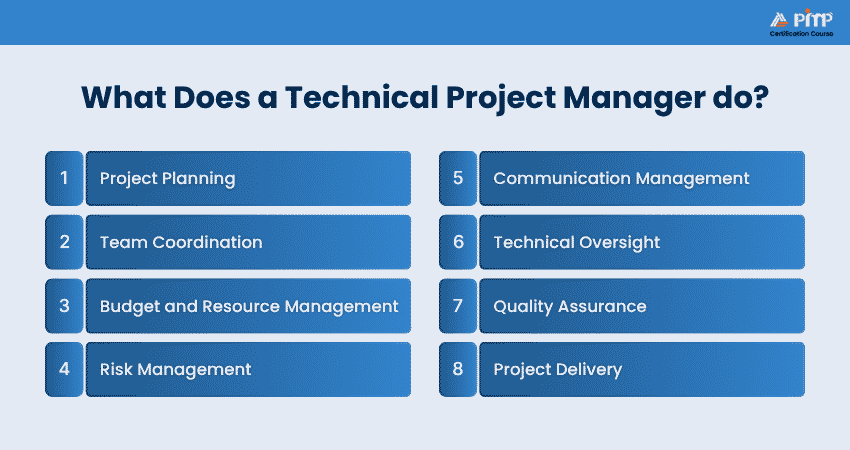
1) Project Planning
A Technical Project Manager is responsible for planning the entire project from start to finish. They plan project goals, timelines, schedules and resources to ensure smooth project execution and timely delivery. Effective planning ensures that all project activities are clearly defined and aligned with business objectives from the beginning.
2) Team Coordination
They coordinate Developers, Engineers and Information Technology (IT) teams while ensuring everyone works together towards shared project goals. They also help improve collaboration between technical teams and business stakeholders.
3) Budget and Resource Management
Technical Project Managers manage project budgets, track expenses and allocate available resources to avoid overspending. They also ensure teams have the right tools, systems and support needed to complete projects efficiently.
4) Risk Management
Technical projects often face delays, technical failures or changing requirements. Technical Project Managers identify project risks, handle technical challenges and create solutions to minimize delays and disruptions.
5) Communication Management
A Technical Project Manager acts as a bridge between technical teams and business leaders. They provide regular project updates, conduct meetings and explain technical information in simple and clear language.
6) Technical Oversight
Technical Project Managers need a good understanding of technical systems and processes. They help teams solve technical problems and ensure project solutions meet both technical and business requirements. Their technical expertise enables better decision-making and smoother problem resolution.
7) Quality Assurance
Technical Project Managers also ensure projects meet quality standards before final delivery. They support testing activities, monitor project performance and ensure systems function properly. Maintaining quality helps improve customer satisfaction and business performance.
8) Project Delivery
They oversee the complete project lifecycle and ensure projects are delivered on time and according to business goals. They monitor deadlines, track milestones, and oversee project execution. Successful delivery reflects effective planning, coordination, and execution across all project phases.
Expand your project coordination and management style with
Certified Associate in Project Management (CAPM) ® Training
– Register today!
Types of Projects for Technical Project Managers
Technical Project Managers work on a wide range of technology-based projects across different industries. Depending on the organization, they manage projects that require both technical understanding and strong project coordination skills. Let's check what kind of projects they work on:
Software Projects
Software projects are among the most common areas for Technical Project Managers. These projects involve designing, developing, testing, and deploying software solutions. Examples include:
1. Mobile application development
2. Web platform creation
3. Enterprise software implementation
4. Cloud-based solutions
5. Cybersecurity applications
6. Artificial Intelligence systems
7. E-commerce platforms
In software projects, Technical Project Managers coordinate Developers, Testers, User Experience (UX) Designers, DevOps teams and business stakeholders. They ensure features are delivered on time while maintaining software quality and security standards.
Infrastructure Projects
Infrastructure projects focus on hardware, networking, cloud systems, and IT environments. These projects are critical for maintaining organizational operations and digital services. Examples include:
1) Data center migration
2) Cloud migration projects
3) Network upgrades
4) Server deployment
5) Cybersecurity infrastructure implementation
6) IT system modernization
7) Enterprise hardware installations
Infrastructure projects require careful coordination because downtime, security issues or technical failures can significantly affect business operations. Technical Project Managers work with Network Engineers, Infrastructure Architects, security teams and vendors to ensure successful implementation.
Steps to Become a Technical Project Manager
Becoming a Technical Project Manager requires a combination of education, technical expertise, Project Management knowledge and practical experience. It is a career path that blends technical understanding with leadership and strategic thinking. Let's check how you can become one:
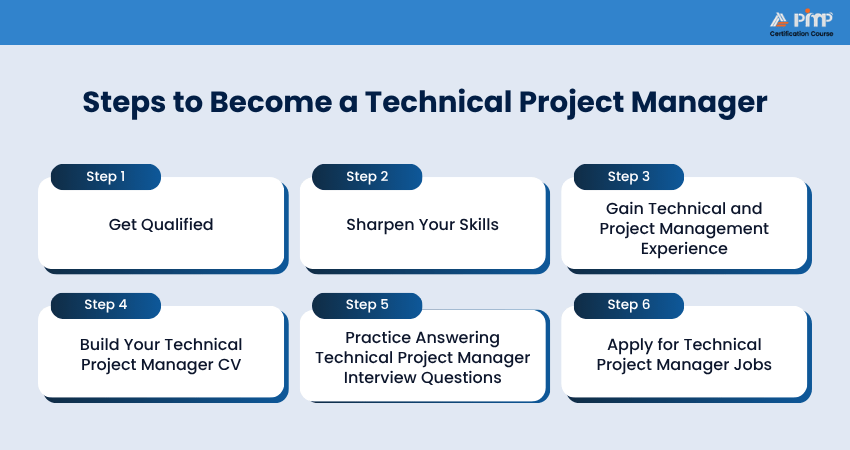
1) Get Qualified
The first step is obtaining relevant educational qualifications. Most Technical Project Managers hold a degree in fields such as:
1) Computer Science
2) Information Technology
3) Software Engineering
4) Business Information Systems
5) Cybersecurity
Although a degree is commonly preferred, some professionals enter the field through certifications like PMP and practical experience.
2) Sharpen Your Skills
Technical Project Managers require both technical and interpersonal skills. Developing these abilities is essential for career growth. You can focus on improving:
1) Technical understanding of software, cloud computing, and infrastructure
2) Leadership and team management
3) Communication and stakeholder management
4) Project planning, budgeting and risk analysis
5) Time management
You should also familiarize yourself with Project Management methodologies such as Agile, Scrum, Waterfall, Lean and Kanban.
3) Gain Technical and Project Management Experience
Practical experience is one of the most important aspects of becoming a Technical Project Manager. Many professionals start their careers in technical roles such as:
1) Software Developer
2) Systems Administrator
3) Network Engineer
4) Quality Assurance (QA) Tester
5) Project Manager
Working in technical positions helps you understand software development lifecycles, infrastructure management, troubleshooting and team collaboration. As you gain experience, you can gradually move into the Technical Project Manager role.
4) Build Your Technical Project Manager CV
A strong CV is essential when applying for Technical Project Manager roles. Your CV should clearly highlight your skill sets such as:
1) Technical expertise
2) Project Management experience
3) Leadership achievements
4) Tools and technologies used
5) Successful project outcomes
Employers often look for measurable achievements, so highlight the initiatives you have taken and the contributions you have made to your team and organization. Include specific examples that show your leadership, problem-solving abilities and impact on project success.
5) Practice Answering Technical Project Manager Interview Questions
Interview preparation is very important since it assesses both technical and managerial abilities. You may also encounter behavioral interview questions that assess your problem-solving and decision-making abilities. Examples of questions include:
1) What steps do you take when a project goes over budget?
2) How do you manage conflicts between Developers and stakeholders?
3) How do you handle project delays?
4) Tell us about a time when you improved a project process or workflow.
5) How do you balance technical requirements with business goals?
Practicing structured responses using the STAR method (Situation, Task, Action and Result) can help you answer effectively.
6) Apply for Technical Project Manager Jobs
Once you have the required skills and experience, you can begin applying for Technical Project Manager roles. Common industries that hire for the TPM roles include:
1) Information Technology
2) Banking and Finance
3) Healthcare
4) Telecommunications
5) Retail and E-commerce
Networking, attending industry events, and connecting with professionals can also help you discover better career opportunities and increase your chances of getting hired.
Learn how to manage multiple complex projects with
Program Management Professional (PgMP)® Certification Training
– Sign up soon!
Key Skills for a Technical Project Manager
Technical Project Managers require a diverse skill set that combines technical expertise with leadership and communication abilities. When you know What is a Technical Project Manager, you need to know the skills required for the role. So, the following are the key skills:
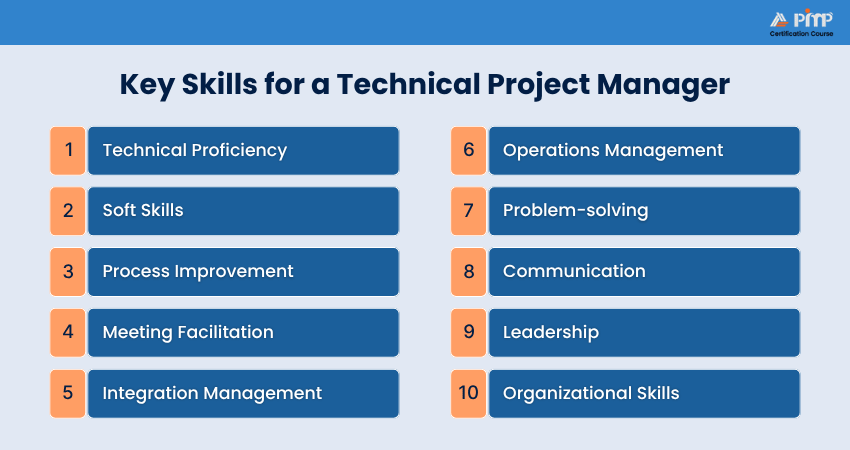
1) Technical Proficiency
Technical Project Managers need to understand technical concepts, systems and workflows. They should be familiar with:
1) Software development lifecycles
2) Application Programming Interfaces (APIs) and integrations
3) Cloud platforms
4) Databases
5) Cybersecurity fundamentals
6) Networking concepts
7) DevOps practices
2) Soft Skills
Soft skills are equally important because TPMs work with multiple teams and stakeholders on a daily basis. Important soft skills to develop include:
1) Emotional intelligence
2) Adaptability
3) Negotiation
4) Team collaboration
5) Conflict resolution
6) Active listening
7) Time management
3) Process Improvement
Technical Project Managers have to constantly look for ways to improve project workflows, efficiency and productivity. Process improvement helps organizations deliver projects faster. So, TPMs require the capability to:
1) Streamline project processes
2) Reduce bottlenecks
3) Introduce automation tools
4) Optimize reporting systems
5) Standardize project procedures
4) Meeting Facilitation
TPMs often lead project meetings, sprint reviews, planning sessions and stakeholder discussions. Well-managed meetings improve collaboration and project transparency. Thus, effective meeting facilitation involves:
1) Setting agendas
2) Managing discussions
3) Encouraging participation
4) Resolving blockers
5) Tracking action items
5) Integration Management
Many technical projects involve integrating multiple systems, platforms or applications. Usually, Technical Project Managers are the ones who coordinate these integrations. While doing these, they need to ensure:
1) Compatibility
2) Security
3) Data accuracy
4) System performance
5) User accessibility
6) Operations Management
Operations management involves ensuring projects align with business operations and organizational goals. This skill ensures smooth transitions from project delivery to operational use. TPMs may oversee:
1) Resource allocation
2) Operational workflows
3) Service delivery
4) Infrastructure performance
5) Maintenance planning
7) Problem-solving
Technical projects frequently face challenges such as system failures, delays, security concerns or changing requirements. To tackle all these, TPMs need strong problem-solving skills. You are expected to:
1) Analyze situations quickly
2) Identify root causes
3) Develop practical solutions
4) Prevent recurring project issues
5) Minimize project disruption
8) Communication
Communication is essential because Technical Project Managers interact with technical teams, executives, vendors and clients. Good communication reduces misunderstandings and improves project alignment. You are expected to communicate clearly through:
1) Project reports
2) Presentations
3) Meetings
4) Emails
5) Documentation
9) Leadership
Technical Project Managers lead teams, motivate employees and guide projects toward successful outcomes. This role demands strong leadership capability since it helps improve team productivity and success rate. Leadership involves:
1) Decision-making
2) Delegation
3) Mentoring
4) Team motivation
5) Accountability management
10) Organizational Skills
TPMs need strong organizational skills to manage multiple tasks, deadlines, resources and team activities. Good organization helps them:
1) Set clear project priorities
2) Manage workloads across teams
3) Maintain structured project records
4) Monitor deadlines and deliverables
5) Improve task delegation
Align projects and programs with business strategies with Portfolio Management Professional (PfMP)® Certification Training – Begin immediately!
Top 5 Tools for Technical Project Managers
Technical Project Managers use various tools to organize projects, improve communication, manage risks and increase team productivity. Here are some of the tools used:
1) Project Management Platforms
Project Management platforms help TPMs plan, organize and monitor projects. These tools allow teams to assign tasks, track deadlines, manage workflows and monitor project progress in real time. Popular platforms such as monday.com, Asana and Trello are widely used to improve collaboration and project visibility.
2) Risk Analysis Tools
Risk analysis tools help organizations identify and manage project risks before they become major issues. These tools support better decision-making by analyzing possible delays, cost increases and technical challenges. Tools such as Predict help improve forecasting, reduce uncertainty and maintain project stability.
3) Team Communication Tools
Effective communication is essential for managing technical projects successfully. Communication tools help employees stay connected through instant messaging, file sharing, group discussions and notifications. Platforms like Slack and Microsoft Teams improve collaboration between technical teams, stakeholders and Project Managers.
4) Video Collaboration Tools
Video collaboration tools support remote meetings, virtual discussions and client presentations. These tools are especially useful for hybrid and remote teams working across different locations. Platforms such as Zoom and Google Meet help Technical Project Managers maintain smooth communication and team coordination.
5) Workplace Collaboration Tools
Workplace collaboration tools help teams create, share, store and manage documents in real time. These tools improve productivity by allowing employees to work together from different locations. Tools like Google Workspace and Microsoft 365 provide cloud-based applications for communication, file management and collaboration.
Technical Project Manager Career Opportunities
A Technical Project Manager role offers strong long-term growth opportunities across multiple industries. As professionals gain experience in managing technical teams, they can move into more senior management and leadership roles. Here are the roles that you can explore after working as a TPM:
1) Senior Technical Project Manager
After gaining experience, many professionals move into Senior Technical Project Manager roles, where they manage larger projects, bigger teams and more complex technical operations.
2) Technical Program Manager
Technical Program Managers oversee multiple related projects at the same time and ensure they align with overall business objectives and long-term strategies.
3) Infrastructure Project Manager
Technical Project Managers can specialize in infrastructure-related projects such as cloud migration, networking, cybersecurity and enterprise IT systems.
4) PMO Manager
Project Management Office (PMO) Managers oversee organizational Project Management standards, processes, reporting systems and project governance.
5) Director of Project Management
This senior leadership role involves overseeing Project Management departments, improving project strategies and ensuring business objectives are achieved successfully.
6) Chief Technology Officer (CTO)
Experienced Technical Project Managers with strong technical and leadership skills may eventually progress into CTO roles, where they manage an organization's overall technology strategy, innovation and digital growth initiatives.
Technical Project Manager Salary
The salary of a Technical Project Manager can differ based on aspects such as your technical expertise, the industry they work for and the location of your company. Here is a short overview of the average annual salary of TPMs of different experience levels:
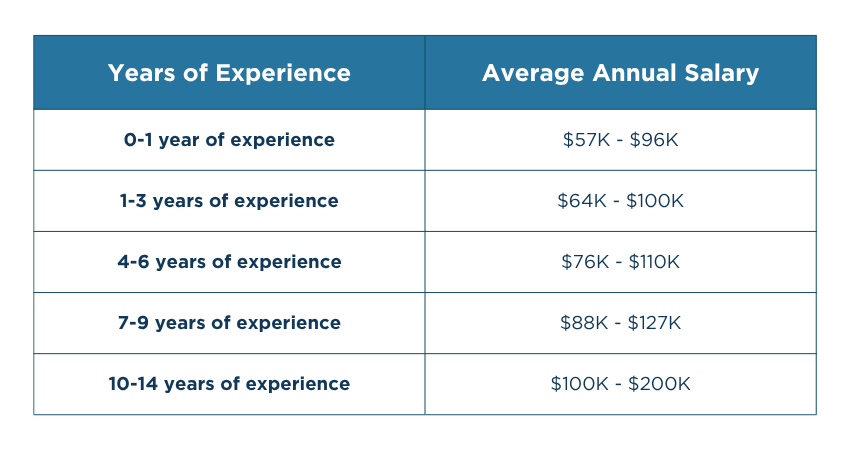
Source: Glassdoor
Conclusion
Technical Project Managers play a vital role in helping organizations manage and deliver successful technology projects. As companies continue investing in modern technologies, the demand for skilled TPMs is expected to grow across industries. With a proper understanding of What is a Technical Project Manager and their requirements, this career path can offer excellent growth opportunities and long-term professional success.
Strengthen your project leadership abilities with Project Management Institute (PMI)® Certification Training – Join now!


 Back
Back

 Topics

 Courses


 10 Aug 2026

 Veronica Davis