Imagine you’re planning a wedding. You need a clear timeline for booking the venue, sending invitations, and organizing the ceremony. But what happens if it rains or the cake delivery is delayed? You need both structure and flexibility to make it all work smoothly.
That’s exactly what Hybrid Project Management offers. It combines the solid framework of traditional planning with the adaptability of Agile approaches, making it perfect for real-world projects.
In this blog, we’ll explore what Hybrid Project Management is, how to implement it effectively, and how it compares to the popular Waterfall and Agile methodologies. Get ready to find out a smarter, more efficient way to balance structure and flexibility!
What is Hybrid Project Management?
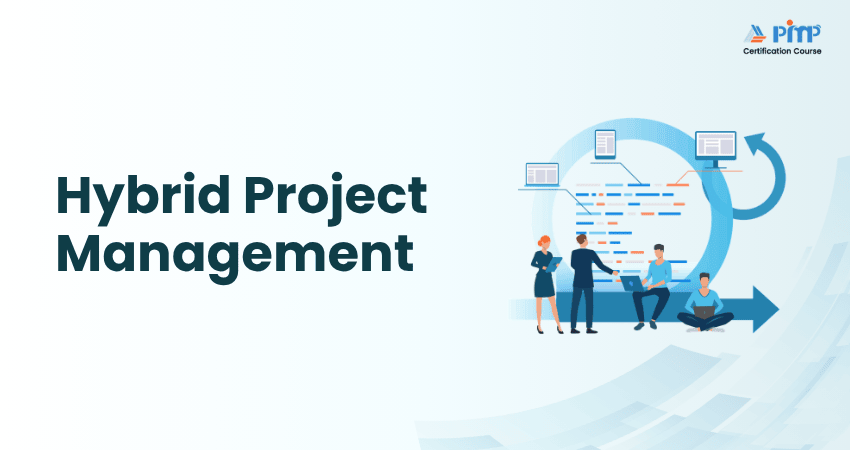
Hybrid Project Management is all about blending the best of both worlds; Waterfall’s clear structure and timelines with Agile’s flexibility and adaptability. It’s a customized approach that helps teams handle projects needing both predictability and room for change.
Balancing planning with flexibility boosts efficiency, fosters collaboration, and improves Risk Management. Plus, it’s perfect for complex projects where requirements keep evolving, and multiple stakeholders are involved.
Waterfall vs Agile vs Hybrid Project Management
Understanding the key distinctions between these methodologies is crucial for effective implementation:
1) Waterfall Project Management
Waterfall is a traditional Project Management methodology that promotes a linear and sequential process. In this model, each project phase must be fully completed before the next phase begins. Known for its structured and plan-driven approach, Waterfall works best for projects where requirements, scope and deliverables are clearly defined from the start.

Key Features include:
a) Sequential Process:
Tasks are completed step-by-step in a fixed order.
b) Detailed Upfront Planning:
Scope, timeline, and deliverables are defined early in the project.
c) Structured Phases:
Each stage has specific deliverables and documentation.
2) Agile Project Management
Agile Project Management is about flexibility, collaboration and iterative development. The work is completed in small iterations, allowing teams to gather feedback frequently and adapt to changing requirements throughout the project lifecycle.

Key features include:
a) Iterative Development:
Projects progress through short cycles with continuous improvements.
b) Continuous Feedback:
Regular input from users and stakeholders guides development.
c) High Adaptability:
Teams can quickly respond to changes in requirements or priorities.
3) Hybrid Project Management
Hybrid Project Management combines elements of Waterfall and Agile methodologies to create a balanced approach. It allows Project Managers to use structured planning for certain tasks while applying Agile flexibility to areas that require continuous feedback or change.

Here are the main characteristics of the Hybrid Project Management methodology:
a) Flexible and Customized Approach:
Hybrid Project Management allows teams to adapt their methods based on the unique requirements of each project. Instead of forcing a project into a strict methodology, it can be adjusted to suit the project’s environment.
b) Structured Phases:
This approach retains the phased structure commonly used in traditional Project Management. It gives a clear roadmap with defined stages and milestones.
c) Iterative Development:
Similar to Agile methods, Hybrid Project Management supports continuous improvement through iterative progress and regular evaluations.
Master essential Project Management tools and enhance efficiency with expert-led
Project Management Tools Courses
today!
Benefits of Hybrid Project Management
Here are the five major benefits of Hybrid Project Management:
1) Enhanced Risk Management
A key advantage of Hybrid Project Management is stronger Risk Management. By combining Waterfall’s detailed planning with Agile’s iterative development, you can identify potential risks earlier and address them before they escalate. This approach helps reduce costly delays and rework.
2) Increased Stakeholder Satisfaction
Hybrid methods often improve stakeholder engagement and satisfaction. Agile’s frequent feedback cycles keep stakeholders involved, while Waterfall’s clear milestones help with transparent progress tracking.
3) Flexibility and Adaptability
Hybrid Project Management offers a high level of flexibility by combining structured planning with adaptable processes. Teams can maintain strict quality standards while still allowing room for quick adjustments and improvements. This approach enables organizations to respond to changing market conditions without affecting project quality.
4) Easier Transition for Traditional Teams
Hybrid Project Management creates a balance between governance and flexibility. Organizations can maintain necessary controls and compliance requirements while still adapting quickly to new ideas, technologies or market demands.
5) Balanced Structure and Agility
Another benefit of Hybrid Project Management is that it allows teams to gradually adopt new ways of working. Instead of a sudden shift to a completely new methodology, organizations can introduce Agile practices alongside existing processes, making the transition smoother.
Challenges of Hybrid Project Management
Some of the main challenges associated with Hybrid Project Management include:
1) Complexity:
Hybrid Project Management can be complicated because it combines multiple methodologies. Teams and Project Managers may need time and experience to understand how to apply it effectively and minimize errors.
2) Resource Intensive:
Successfully implementing a hybrid approach may require additional time, effort, and expertise. Project Managers often need to invest in training and guiding their teams to ensure the method is applied correctly.
3) Initial Confusion:
Team members and stakeholders may find it challenging at first to understand and adapt to the hybrid approach, especially if they are used to a single methodology.
4) Risk of Missed Deadlines:
Due to the complexity of combining different methods, tracking progress and deadlines can become more difficult. Project Managers must closely monitor tasks and maintain clear communication to prevent overlooked deliverables.
Boost your capability and build your project leadership credibility with our
Project Management Institute (PMI)® Certification
- Sign up now!
How to Implement a Hybrid Project Management Strategy?
Implementing a Hybrid Project Management strategy starts with analyzing your project’s specific requirements and constraints, ending in the development of a clear process roadmap. Below is a step-by-step overview of the implementation process:
Step 1: Evaluate Your Project’s Needs and Requirements
Start by reviewing key project factors such as scope, timeline, budget, and team structure. It is also important to consider stakeholder expectations, regulatory requirements, and any technical complexities involved. Documenting this analysis helps determine which aspects of different methodologies should be combined.
Step 2: Choose the Right Methods to Combine
Based on your evaluation, decide which elements of Agile and Waterfall should be integrated. For example, Waterfall’s structured planning can be useful for phases requiring extensive documentation or compliance, while Agile may be better suited for areas that benefit from flexibility, such as product development or design iterations. The aim is to apply each method where it delivers the most value.
Step 3: Involve Your Team in the Planning Stage
Successful implementation requires active team participation. Team members should clearly understand when to follow a structured Waterfall approach and when to adopt Agile’s iterative cycles. Using Project Management tools that support both Gantt charts and Kanban boards can improve task visibility and collaboration. Regular check-ins and feedback sessions help monitor progress and refine the approach when needed.
Step 4: Develop a Clear Process Roadmap
Create a detailed roadmap that outlines how Agile and Waterfall phases will function within the project. Include milestones, checkpoints and feedback points to evaluate progress. Sharing this roadmap with both the project team and stakeholders ensures alignment and provides clear direction throughout the project lifecycle.
Examples of Hybrid Project Management
Hybrid Project Management is widely used across industries to manage complex and dynamic projects. Here are some real-world examples:
1) Software Development with Hardware Components
1) Hybrid Approach:
a) Hardware development uses Waterfall Methodology:
i) Structured phases like design, manufacturing, and testing.
b) Software Development applies Agile principles:
i) Iterative updates, bug fixes, and user feedback integration.
2) Key Benefits:
a) Sequential and structured development for hardware.
b) Flexible and adaptable updates for software.
2) Construction Projects
1) Hybrid Approach:
a) Waterfall methodology for:
i) Regulatory approvals.
ii) Planning and physical construction phases.
b) Agile elements for:
i) Design phase, enabling iterative modifications based on client feedback.
2) Key Benefits:
a) Ensures legal and regulatory compliance.
b) Allows flexibility for changes in architectural design.
3) Marketing Campaigns
1) Hybrid Approach:
a) Waterfall principles for:
i) Strategy planning and budget allocation.
b) Agile methodology for:
i) Content creation and social media marketing, adapting to trends and feedback.
2) Key Benefits:
a) Structured budgeting and clear timelines.
b) Flexibility for dynamic execution in fast-changing environments.
Take the journey from milestones to mastery smoothly in our
PMI Scheduling Professional (PMI-SP)® Certification. Sign up now and make the most of project timelines!
Hybrid Project Management Best Practices
To successfully apply Hybrid Project Management and gain the benefits of Agile and Waterfall approaches, teams can follow these best practices:
1) Define Clear Roles and Responsibilities:
When using two different methodologies, it is important to assign roles within the team clearly. This helps prevent confusion and reduces the chances of conflicts during the project.
2) Create a Clear Communication Plan:
Hybrid projects often involve multiple teams working together. Establish clear communication channels, decide how often updates should be shared and set expectations so that everyone stays aligned.
3) Invest in Training and Resources:
As Hybrid Project Management becomes more common, many training programs and learning resources are available. Teams can improve their skills by attending courses, workshops or online training sessions.
4) Encourage Continuous Learning:
Promote a culture where team members are open to learning and adapting. Encourage them to share ideas, learn from experiences and stay updated with new industry trends and practices.
5) Use the Right Tools and Technology:
Using Project Management tools can help organize tasks, improve communication, and streamline workflows. Explore different Task Management and collaboration tools to find the best fit for your team.
Conclusion
Hybrid Project Management offers a balanced approach by integrating the structured planning of Waterfall with the flexibility of Agile. It boosts efficiency, collaboration and adaptability, making it ideal for dynamic projects. By leveraging this form of Project Management, teams can successfully navigate complexity and drive project success with greater precision and responsiveness.
Stand out in the job market with a globally recognized
Certified Associate in Project Management (CAPM) ® Training
– sign up today!


 Back
Back

 Topics

 Courses


 10 Aug 2026
 David Walter