Ever feel like your day as a Project Manager is spent chasing updates, managing endless emails, fixing delays, and attending back-to-back meetings instead of actually focusing on the project itself? With growing workloads, tighter deadlines, and constant communication, it is easy for teams to feel overwhelmed. That is why many organizations are now using Artificial Intelligence in Project Management to simplify work and improve productivity.
AI in Project Management helps teams work smarter by automating tasks, improving planning, predicting risks, and delivering faster insights. Instead of spending hours on manual updates and reporting, teams can focus more on collaboration, strategy, and successful project delivery. This blog explores the benefits, tools, and practical uses. Let's dive into it!
What is AI in Project Management?
Artificial Intelligence (AI) in Project Management refers to the use of AI technologies to improve project planning, execution, monitoring, and decision-making. AI systems can analyze project data, automate repetitive tasks, predict risks, generate reports, and support teams with real-time insights to improve efficiency and productivity.
These technologies help Project Managers manage schedules, resources, communication, and workflows more effectively. By reducing manual effort and improving accuracy, AI enables organizations to deliver projects faster, minimize risks, and make better data-driven decisions throughout the project lifecycle.

Importance of AI in Project Management
AI is important in Project Management because it helps organizations manage complex projects more efficiently by improving planning, automation, communication, and decision-making. It reduces manual work, saves time, and helps teams handle large amounts of project data more accurately.
AI also supports better risk management and real-time monitoring by identifying potential issues early and providing useful insights. This allows Project Managers to improve productivity, optimize resources, enhance collaboration, and deliver projects successfully in fast-changing business environments.
Benefits of AI in Project Management
AI helps organizations improve efficiency, planning, communication, and decision-making by automating routine tasks and analyzing project data in real time. By combining automation with intelligent insights, AI enables teams to work more efficiently and deliver better project outcomes. Some key benefits include:
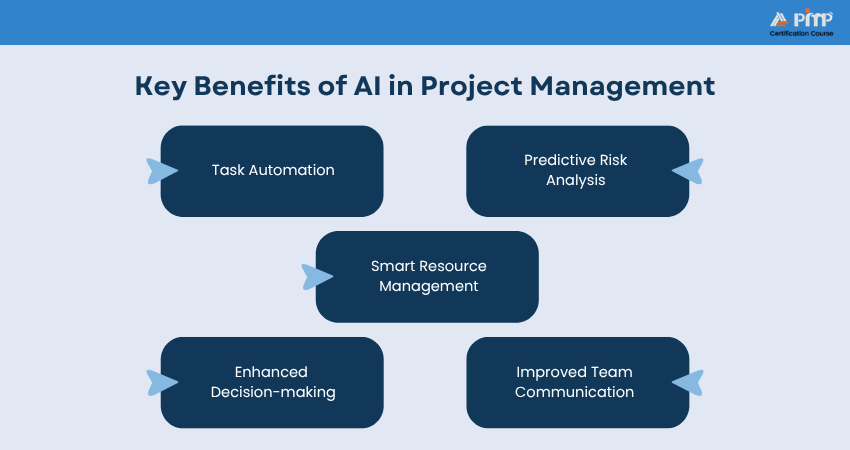
1) Task Automation:
AI automates repetitive tasks such as scheduling meetings, generating reports, updating task boards, and creating meeting summaries, helping teams save time and reduce manual errors.
2) Predictive Risk Analysis:
AI analyzes historical and real-time project data to identify potential risks, delays, budget overruns, and resource bottlenecks before they become serious issues.
3) Smart Resource Management:
AI helps allocate tasks more effectively by evaluating team workloads, availability, and skill sets to improve productivity and resource utilization.
4) Enhanced Decision-making:
AI provides real-time insights and Data Analysis that help Project Managers make faster, more accurate, and data-driven project decisions.
5) Improved Team Communication:
AI-powered assistants, automated updates, and summarization tools help teams and stakeholders stay informed, improving collaboration and reducing communication gaps.
Ways to Use AI in Project Management
AI supports Project Management in many practical ways, from automating workflows to improving communication. These technologies help organizations reduce errors, increase efficiency, and enhance overall project performance. Some common uses include:
1) AI Assisted Support and Upskilling
AI-powered learning platforms help Project Managers and teams improve skills through personalized recommendations and intelligent learning systems. These tools analyze performance and suggest suitable training and opportunities based on project needs.
AI chatbots and virtual assistants also provide instant support during project activities. Team members can quickly access information, documentation, and best practices without depending entirely on managers or trainers, improving productivity across organizations.
2) Automated Workflows
AI helps organizations automate repetitive project tasks such as scheduling meetings, assigning responsibilities, updating timelines, and generating reports. Automation reduces manual effort and allows teams to focus more on strategic planning and important business activities.
Automated workflows also improve consistency and reduce operational errors across project activities. AI systems can track progress, send reminders, update dashboards, and manage approvals automatically, helping organizations improve efficiency and team communication. This results in smoother operations and better coordination across multiple project stages.
3) Improved Risk Assessment
AI improves risk assessment by analyzing historical project data, identifying patterns, and predicting possible issues before they become serious problems. These insights help Project Managers prepare mitigation strategies early and reduce project disruptions during execution.
AI tools also monitor project performance continuously to identify unusual activities or warning signs in real time. This proactive approach helps organizations respond faster to challenges and maintain better control over project risks and operational efficiency. It also improves long-term project planning by learning from past project outcomes.
4) Data-driven Decision-making
AI supports data-driven decision-making by collecting and analyzing project information from multiple sources. These insights help Project Managers make informed decisions related to budgeting, scheduling, resource allocation, and overall project performance.
With AI-powered analytics, organizations can identify trends, forecast outcomes, and evaluate project scenarios quickly. This improves planning accuracy and helps teams choose effective strategies while reducing uncertainty in project decisions.
Gain industry-valued Business Analysis knowledge through the
PMI-PBA® Certification Training
– Sign up now!
5) Scenario Planning
AI helps Project Managers create and evaluate project scenarios based on changing conditions, risks, and resource availability. These simulations help organizations understand possible outcomes before making important decisions or handling operational challenges.
Scenario planning also improves organizational flexibility and preparedness. By testing multiple possibilities using AI-powered models, teams can identify suitable solutions, optimize resources, and improve project resilience during uncertain conditions.
6) Team Communication and Reporting
AI improves team communication by organizing project information, summarizing discussions, and delivering updates automatically. AI-powered collaboration tools help teams stay informed about deadlines, tasks, and project progress while reducing communication gaps.
AI also simplifies reporting by generating accurate project summaries and performance reports automatically. This reduces administrative workload for Project Managers while ensuring stakeholders receive timely and data-driven project updates. This leads to better transparency and improved stakeholder engagement.
7) Real-time Data Analysis and Adaptive Monitoring
AI systems continuously monitor project activities and analyze real-time data to identify delays, performance trends, or resource issues. This allows Project Managers to make faster adjustments and maintain better control over project performance and schedules.
Adaptive monitoring helps organizations respond quickly to changing project conditions and business requirements. AI can recommend corrective actions, optimize workflows, and improve resource allocation, helping teams maintain productivity and avoid operational disruptions.
8) Sentiment Analysis
AI-powered sentiment analysis helps organizations understand team morale, stakeholder opinions, and customer feedback by analyzing emails, surveys, messages, and discussions. This helps Project Managers improve engagement and overall communication effectiveness.
By understanding emotions and communication patterns, Project Managers can improve collaboration and resolve issues more effectively. Sentiment analysis also supports better decision-making by providing insights into employee satisfaction and stakeholder expectations.
9) Generative AI Assistant
Generative AI assistants help Project Managers create project plans, reports, presentations, meeting summaries, and task descriptions quickly. These AI tools reduce manual writing effort while improving productivity, consistency, and communication across project activities.
These assistants also support brainstorming, problem-solving, and content generation during project execution. Teams can use Generative AI to create workflows, organize information, draft emails, and develop ideas efficiently for faster project completion. This accelerates project execution and enhances creativity within teams.
10) Summarizers
AI summarization tools help Project Managers review lengthy reports, meeting transcripts, emails, and project documents by generating concise summaries. This saves time and helps teams focus on important information during project activities.
Summarization tools also improve communication by providing structured updates for stakeholders and project teams. By simplifying information sharing, AI helps organizations improve collaboration, decision-making, and productivity in complex project environments.
Examples of AI in Project Management
AI helps improve planning, automation, communication, and decision-making in Project Management. It reduces manual effort, improves efficiency, and supports better project outcomes. Some common examples include:
1) Improved Planning and Scheduling:
AI analyzes project data, team capacity, and dependencies to create realistic schedules and improve resource allocation.
2) Predictive Risk Management:
AI monitors project activities to identify potential risks, delays, and resource issues before they become major problems.
3) Automated Reporting and Status Updates:
AI generates reports, reminders, and progress updates automatically using data from Project Management tools.
4) Smart Work Creation and Task Management:
AI helps create tasks, assign responsibilities, and organize workflows based on team capacity and priorities.
5) Streamlined Knowledge Management:
AI summarizes meeting notes, documents, and discussions into clear action points for easier access and review.
6) Enhanced Collaboration and Communication:
AI-powered tools improve communication by summarizing conversations and helping teams access important project information quickly.
Develop Agile Project Management confidence through the
PMI-ACP® Certification Training
– Register now!
Top AI Tools for Project Management in 2026
Top AI tools for Project Management in 2026 help organizations improve automation, collaboration, scheduling, reporting, and productivity. The following platforms support smarter decision-making and more efficient Project Management:
1) Monday.com
Monday.com offers AI-powered workflow automation, task management, and collaboration tools that help teams improve project visibility and efficiency. Its intelligent features support workload management, timeline planning, and performance tracking across different projects.
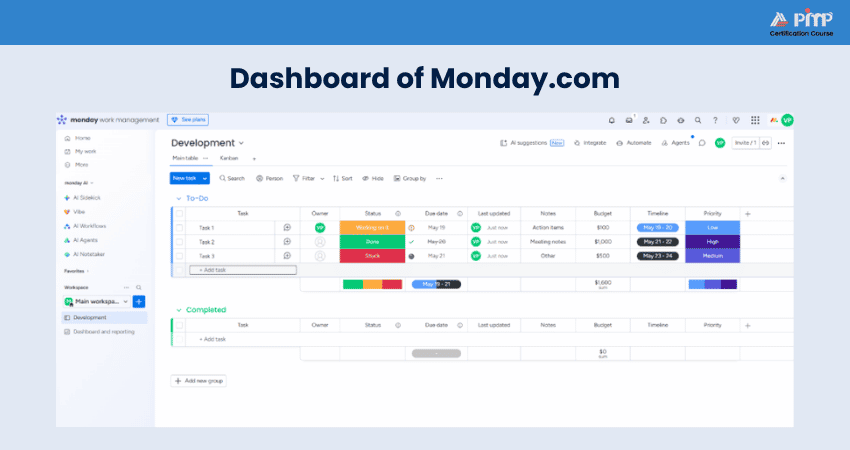
The platform also supports automated notifications, project dashboards, and real-time reporting. These features help organizations reduce manual effort, improve communication, and maintain better control over project execution and resource management activities.
2) Motion
Motion is an AI-powered productivity and scheduling platform designed to automate task prioritization and calendar management. It helps users organize daily activities, optimize schedules, and improve overall productivity within project environments.
Its intelligent automation capabilities adjust schedules based on changing priorities and deadlines automatically. This helps Project Managers and teams maintain focus, reduce workload pressure, and complete project activities more efficiently.
3) Zoho Projects
Zoho Projects provides AI-assisted Project Management tools that support scheduling, automation, collaboration, and reporting. Its smart assistant helps users manage tasks, generate insights, and improve workflow efficiency within project environments.
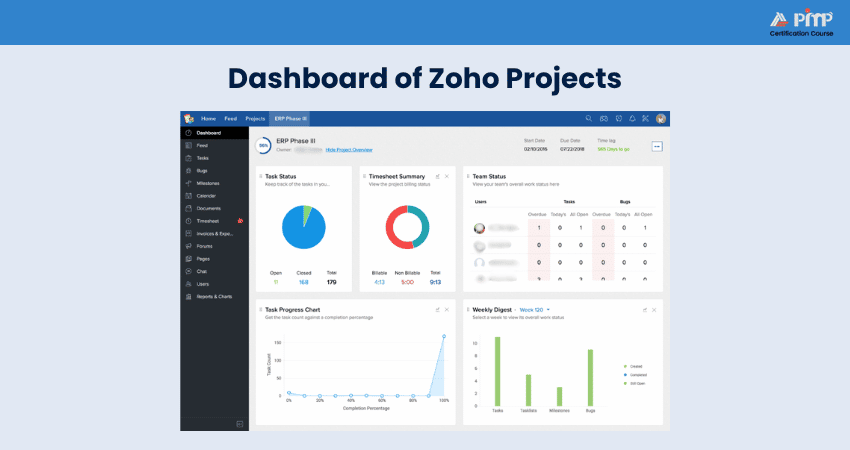
The platform also integrates with other business applications to improve operational coordination and data sharing. These integrations help organizations maintain smooth communication and improve project visibility across different teams and business functions.
4) ClickUp
ClickUp combines Project Management, productivity, and AI automation features within a single platform. Teams can manage tasks, documents, goals, and communication while using AI to automate repetitive work and improve planning accuracy.
Its AI assistant supports writing, summarization, reporting, and task creation activities. These features help Project Managers reduce administrative workload and improve collaboration while maintaining better organization across project workflows and operational processes.
5) Microsoft Project
Microsoft Project uses AI-powered scheduling and resource management capabilities to improve project planning and execution. It helps organizations create timelines, monitor progress, and allocate resources efficiently across projects.
The platform also supports predictive analytics and performance tracking to improve decision-making. These AI capabilities help Project Managers identify risks, optimize schedules, and maintain better control over project delivery and operational performance.
Gain practical Project Management knowledge through the
Certified Associate in Project Management (CAPM) ® Training
– Join today!
6) Wrike
Wrike is a cloud-based Project Management platform that uses AI to improve planning, collaboration, and workflow automation. It helps teams organize tasks, monitor progress, and manage resources effectively across multiple projects and departments.
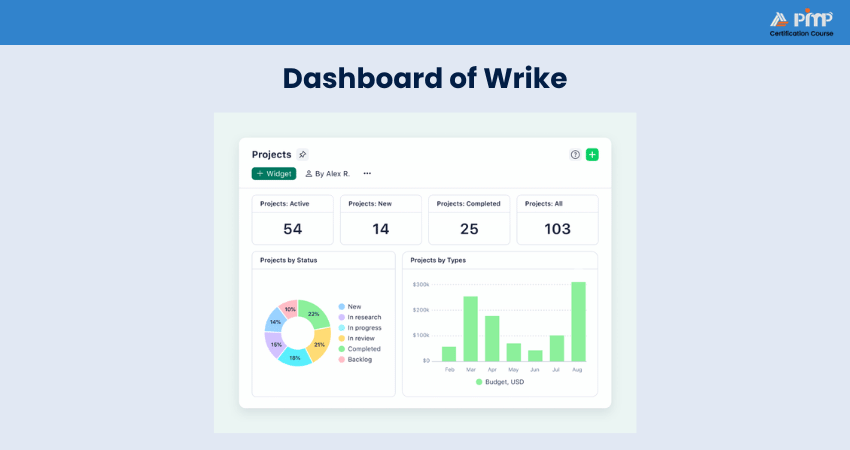
Its AI features support risk prediction, task prioritization, and intelligent reporting. These capabilities help organizations improve productivity, streamline communication, and make faster data-driven decisions during project execution and operational planning activities.
7) Zapier
Zapier helps organizations automate workflows by connecting different applications and systems without manual coding. Its automation capabilities support task management, notifications, data transfers, and integration across multiple Project Management tools.
By reducing repetitive administrative work, Zapier improves efficiency and communication between teams. Organizations use it to streamline workflows, improve productivity, and simplify Project Management activities across different business processes.
8) Asana
Asana is a popular Project Management platform that uses AI features to improve collaboration, task management, and workflow organization. Teams can track progress, assign responsibilities, and manage projects using intelligent automation and reporting capabilities.
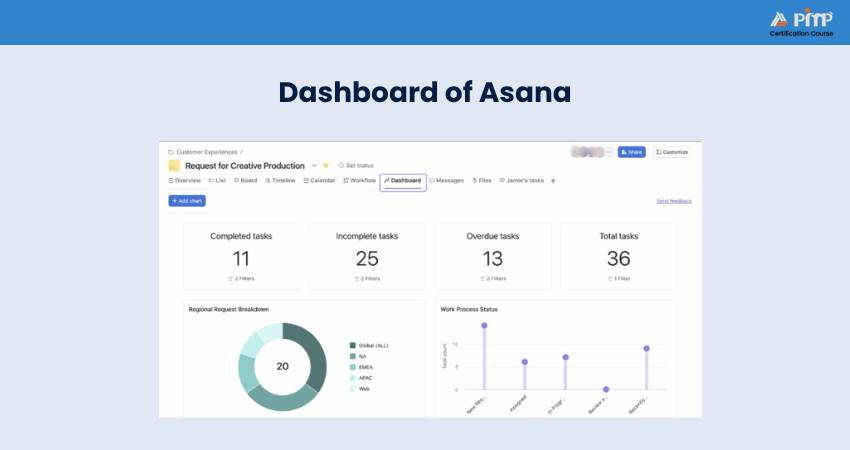
Its AI tools help prioritize tasks, generate updates, and improve operational visibility. These features support better communication, faster decision-making, and improved project coordination across teams working on complex or large-scale projects.
9) Trello
Trello provides simple and flexible Project Management features supported by automation and AI integrations. Teams use boards, cards, and workflows to organize tasks, monitor progress, and improve collaboration within project environments.
Its automation tools help reduce repetitive work and improve workflow consistency. Trello also integrates with various AI-powered applications to enhance productivity, communication, and operational efficiency for Project Managers and teams.
10) Smartsheet
Smartsheet combines Project Management, automation, and collaboration features to help organizations improve project execution and reporting. Its AI capabilities support workflow automation, resource tracking, and operational monitoring across different business functions.
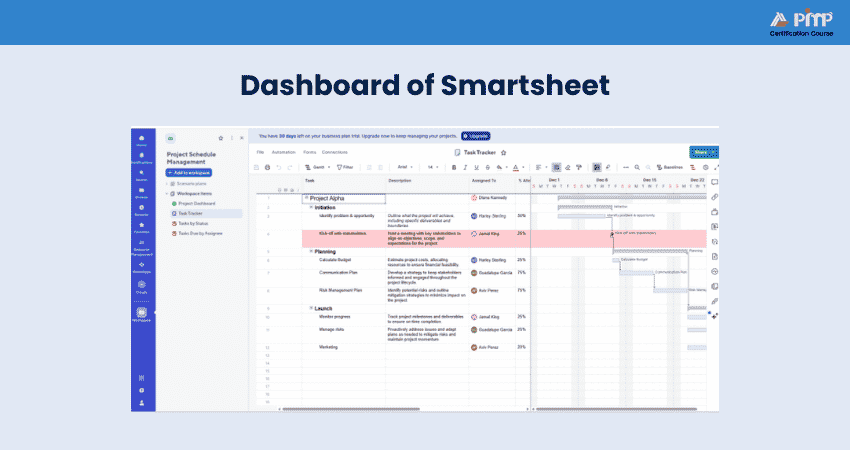
The platform also provides dashboards, analytics, and reporting tools that improve project visibility and performance management. These features help organizations improve efficiency, reduce risks, and maintain better control over project operations.
Conclusion
AI in Project Management is reshaping how teams plan, collaborate, and deliver successful projects. By automating repetitive tasks, improving decision-making, and reducing risks, AI helps organizations work smarter and faster. As these technologies continue evolving, they will play a bigger role in driving productivity, innovation, and long-term project success.
Build strong Project Management expertise through the Project Management Institute (PMI)® Certification Training – Join now!


 Back
Back

 Topics

 Courses


 10 Aug 2026
 Richard Harris